Toronto winter driving, in one paragraph
A Toronto black car in winter runs on winter tires from mid-November to mid-April (the winter tires article) with an all-wheel-drive majority, a salt wash every shift, the washer fluid and the emergency kit checked daily; the chauffeur leaves earlier (the rush hour article's winter buffer), drives slower with a longer following distance, treats the bridges, ramps and the DVP's and Gardiner's known ice with respect, follows a freezing rain protocol (the region's most dangerous condition — more common than heavy snow), and handles the 400's whiteouts and the 401's snow squalls with the Ontario 511 check; the passenger gets the pickup at the door, the heated seat, the extra ten minutes and the flight delays article's patience at Pearson on a de-icing day; the fleet does not drive on the handful of days the OPP closes the highways or Environment Canada's red alert is in force, and there is no winter surcharge — the hourly's clock is the only place the weather shows in the fare.
Toronto's winter is misunderstood by the people who have not driven it for a living. It is milder than the rest of the country's — the lake keeps the city's January average around minus four — and that mildness is the problem: the temperature crosses zero fifty times a winter, the rain freezes on contact, the snow melts by noon and refreezes by five, and the lake that moderates the city throws squalls across the 401 west of it and the 400 north of it. A professional fleet prepares for this in October, drives it differently for five months, and knows the days when the safest thing is to say no. This guide covers the city's actual winter, the fleet's preparation, the chauffeur's winter driving, the passenger's winter, the airport in winter, the season's demand, the days the fleet stays in, the accessible passenger, the cost, and a worked January morning.
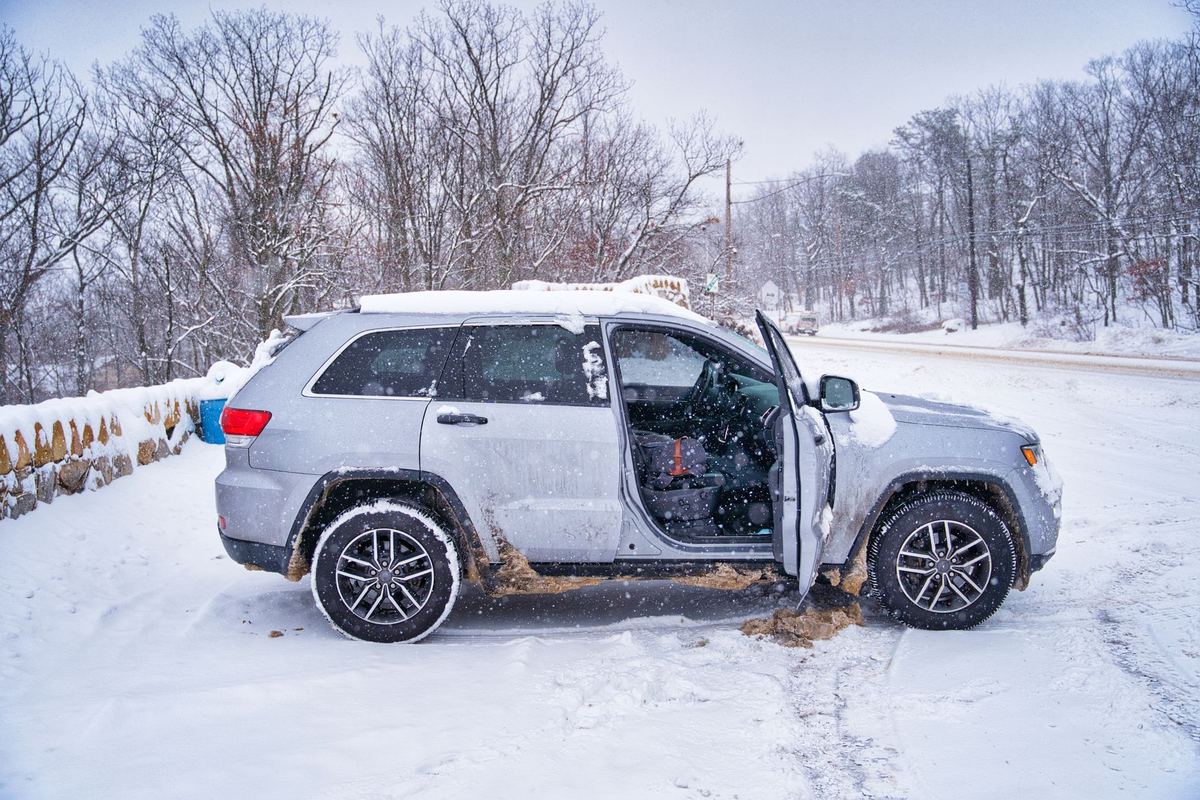
The city's actual winter
The lake: Lake Ontario does not freeze and it moderates the city — Toronto's January average is around minus four, Ottawa's minus ten, Winnipeg's minus sixteen — so the city's winter is the freeze-thaw's and not the deep freeze's; the lake also generates lake-effect snow when the wind crosses it from the west and the south-west, which lands on the 401 between Milton and London (the London article's snowbelt) and on the QEW's Niagara stretch (the Niagara article) more than on the city itself; and Georgian Bay's lake-effect lands on the 400 at Barrie and the 11 through Muskoka (the Muskoka article and the Blue Mountain article) — the snowbelts a Toronto chauffeur drives into. Freezing rain: the city gets more freezing rain than heavy snow — the December and the March systems that arrive as rain at plus one and freeze on the pavement at minus one, the ice storm of December 2013 that took the city's power for days, and the black ice on the bridges and the ramps at dawn that is the chauffeur's first check of every winter morning. The snow: the city's average is around 120 centimetres a winter, in a dozen events of five to twenty centimetres and one or two of thirty-plus (the January 2022 storm's 55 centimetres), cleared by the city's plows on the arterials within hours and on the side streets within a day. The cold snaps: the January and February weeks at minus twenty with the wind chill at minus thirty — the battery's, the diesel's and the passenger's problem more than the road's. The thaw: the March week at plus ten that floods the underpasses and refreezes at night, and the April's last snow.
The fleet's preparation
By mid-November (the fleet maintenance article's schedule): winter tires on every vehicle — the mountain-snowflake-rated set (the winter tires article on why the all-season is not enough below plus seven) on the sedans, the SUVs and the Sprinters, the tread depth checked monthly, the set stored and rotated; all-wheel drive on the fleet's SUVs (Escalade, Navigator) and the 4MATIC on the S-Class and the E-Class, with the rear-drive sedans limited to the city on the worst days; the washer fluid at minus forty rated and topped every shift (the slush spray on the 401 empties a reservoir in an hour), the wipers replaced in November, the battery load-tested (the cold snap's casualty), the block heaters plugged at the depot for the diesel Sprinters, the emergency kit (the blanket, the shovel, the traction mats, the booster pack, the flares, the water, the first aid — the passenger safety article's list) in every cargo, the salt wash after every shift (the city's road salt eats the paint, the chrome and the undercarriage — the vehicle cleaning article's winter schedule is the wash every night and the detail every fortnight), the floor mats swapped to the rubber winter set with the carpet set stored, and the cabin (the heated seats checked, the rear climate set, the in-car amenities article's kit with the hand warmers and the lip balm). The hybrid and electric article's EVs lose a third of their range at minus twenty — the fleet runs them in the city and keeps the Ottawa runs on the hybrids and the gas vehicles in the cold snaps.
The chauffeur's winter
The departure: earlier — the rush hour article's winter buffer of twenty to forty minutes on a snow morning, the how early to book article's airport pickup an hour earlier on a storm day, the dispatcher's Ontario 511 and the Environment Canada check at 4 a.m. and the message to the passenger at 5 if the plan changes. The speed and the distance: the defensive driving article's winter rules — 80 on a snowy 401, 60 on a slushy one, the following distance doubled to six seconds, the lane changes minimal, the cruise control off, the truck's spray anticipated. The known ice: the bridges freeze first (the Humber on the Gardiner, the Don on the DVP and the 401, the Rouge on the 401 east, the Credit on the QEW), the ramps (the DVP's Bayview and Bloor ramps, the Gardiner's Jarvis and Spadina, the 401's collector-express transfers), the Hoggs Hollow dip on the 401 at Yonge and the DVP's Don Mills hill, the underpasses in the thaw, the shaded stretches of the neighbourhoods' ravine roads (Rosedale's, the Bridle Path's, Forest Hill's), and the parking garages' ramps; the chauffeur slows before them and does not brake on them. Freezing rain: the protocol — when the forecast says freezing rain the fleet pulls the rear-drive sedans, the chauffeur waits at the pickup rather than drives to it in the first hour (the salt trucks need an hour), the speed drops to 50 on the arterials and 70 on the highway, and the limo accident article's protocol is rehearsed. The whiteout: the 400's and the 401's squalls — visibility to nothing for a kilometre — the chauffeur slows, keeps the lane, uses the low beams and the fog lights, does not stop on the road, and exits at the next ONroute if it persists; the Muskoka article and the Barrie article have the 400's history. The chauffeur's own winter: the boots in the car and the shoes for the door, the gloves, the scraper and the brush, the a day in the life article's 5 a.m. start with the vehicle warmed and cleared before the passenger sees it.
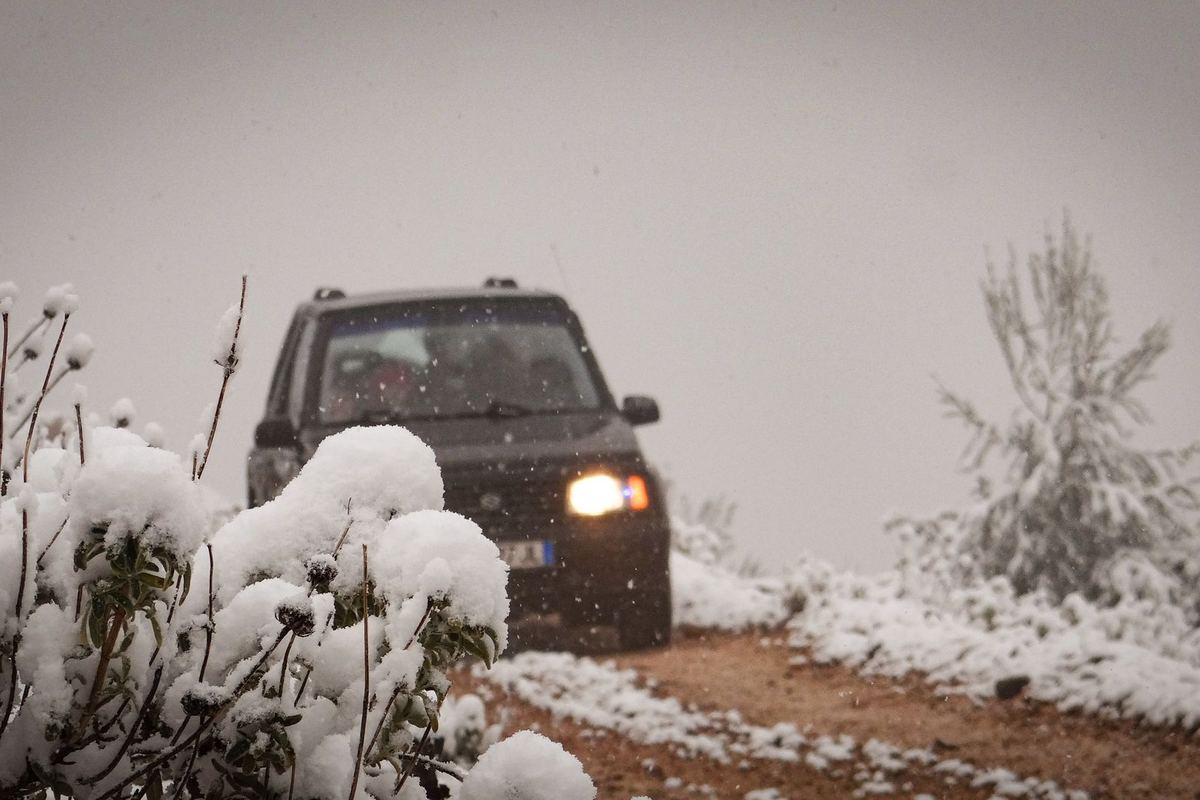
The passenger's winter
The pickup is at the door — the what to expect article's chauffeur at the front step with the umbrella in the freezing rain, the vehicle warmed for ten minutes, the heated seats on, the rear climate at 22 — and not at the curb across a snowbank (the chauffeur clears a path or carries the bags); the boots and the shoes (the passenger who wears the boots to the car and changes at the venue — the wedding limo guide's winter bride does; the mats are rubber and the salt is expected); the coat (kept on for the short run, off for the long — the back seat is warm); the extra ten minutes (the corporate car service page's winter standing orders build it in; the executive assistants' guide's assistant moves the pickup earlier on a snow day without being asked); the children (the child seats article's rule — the snowsuit off in the seat, the blanket over; the seat is warmed first); the seniors (the arm at the icy step, the walker cleared of snow, the pickup inside the lobby); and the luggage (the luggage capacity article's winter — the ski bags in the Escalade, the salt wiped from the cases at the airport).
The airport in winter
Pearson in winter is the Pearson winter storm article's subject — the de-icing queue that adds forty minutes to an on-time departure (the central de-icing facility's throughput on a freezing rain morning), the cancellations on the storm days (the Pearson holiday travel peaks article's December), the inbound diversions and the two-hour holds; the fleet's winter airport practice — the flight delays article's tracking with the winter's patience, the meet and greet in the terminal rather than the cold curb, the chauffeur's wait built into the winter's flat rate, the storm-day plan (the passenger's flight cancelled → the car takes them home or to the hotel and returns for the rebooked flight; the long-distance article's Ottawa or Montreal by road when every flight is grounded), and the Billy Bishop's lakefront wind and its ferry's and tunnel's winter.
The season's demand
December is the fleet's second-busiest month (the holiday party article's corporate season, the Pearson holiday peaks, the New Year's Eve article's night, the Santa Claus Parade and the Cavalcade of Lights, the Nutcracker at the Four Seasons Centre, the Distillery's Christmas Market — the Distillery guide); January is the quietest (the corporate accounts' return the second week, the Interior Design Show, the Winterlicious fortnight at the end); February brings the Family Day weekend's ski runs (the Blue Mountain article), the Valentine's date night, and the reading week's airport peak; March the March Break's family airport week, the Canadian International AutoShow, and the thaw; and the fleet's winter capacity is planned for December's peak with the Sprinters on the ski runs and the group transfers.
The days the fleet does not drive
A handful a winter: the days the OPP closes the 400 or the 401 (the squall pile-ups — the 400 at Barrie most winters, the 401 at London or Kingston some), the Environment Canada red alert for freezing rain or a blizzard warning for the GTA (the limo cancellation policies article's weather clause — the fleet cancels without charge and rebooks; the passenger who insists is told plainly why not), the December 2013-scale ice storm (the roads impassable, the power out, the fleet's vehicles grounded for a day), and the state of emergency the city declares once a decade; on those days dispatch calls every booking by 6 a.m., moves what can move to the next safe hour, and the duty of care article's corporate travel manager has the fleet's decision in writing. The rest of the winter — the ordinary snow days, the slush, the cold — the fleet drives, because that is what the tires, the AWD, the training and the buffer are for.
The accessible passenger in winter
The accessible service article's vehicles in winter — the ramp cleared and salted at the depot, the pickup inside the building's lobby or at the cleared door, the chauffeur's walk of the path first, the chair's wheels wiped, the extra fifteen minutes on the schedule, the hospital row article's patient entrance rather than the front door, and the fleet's refusal to drop an accessible passenger at an uncleared curb.
The cost
There is no winter surcharge — the how much does a black car cost article's flat rates are the same in January as July, the Pearson flat rate includes the winter wait, and the weather shows in the fare only on the hourly's clock (a snow day's ninety-minute crawl to the airport on an hourly booking is ninety minutes) — which is why the fleet books airport runs on the flat rate and the corporate account's statement does not move with the forecast; the 407 at cost is the winter's one variable (the chauffeur takes it on a storm day without asking when the 401 is the parking lot), and the gratuity guide's note that a chauffeur who carried the bags through a snowbank at 5 a.m. has earned the upper end.
A worked January morning
A Tuesday in mid-January, the forecast's freezing rain turning to snow, a Forest Hill executive with a 9 a.m. board meeting at First Canadian Place and a partner on the 11:45 to Calgary. 4:00 a.m.: dispatch's 511 and Environment Canada check — the freezing rain warning until 7, the snow after; the rear-drive sedan on the booking swapped to the AWD E-Class; the message to both passengers at 5:15 — "freezing rain until 7, we are moving your pickup from 8:00 to 7:30 and the airport pickup from 9:15 to 8:45; the chauffeur will be at the door." 5:30: the chauffeur's start — the vehicle in the heated depot, the washer fluid topped, the tires checked, the salt wash from last night dried; 6:45: the depot's exit onto salted arterials — 40 on Bathurst, the Eglinton hill taken at 30, the Forest Hill side street unplowed and taken at 15; 7:20: the door — the vehicle warmed ten minutes, the path from the step to the car brushed, the umbrella; 7:30: the executive in the back with the heated seat and the Wi-Fi; Avenue Road south at 40, the Yorkville crawl, University Avenue at 30 with the streetcar tracks' ice (the chauffeur crosses them square), King Street at 8:05, the First Canadian Place porte-cochère at 8:10 — fifty minutes for a run that is twenty-five in June, and the executive at the desk forty-five minutes before the meeting with the coffee. 8:15: back north — the 401's ramp at Avenue Road with the collector lanes slush and the express clear; 8:45: the partner's door in Lawrence Park — the two bags carried, the snow now falling; the 401 west at 70 with six seconds to the truck ahead, the 427 at 60, the airport's approach roads salted; 9:35: Terminal 1's departures curb — the bags to the door, the partner's flight showing a forty-minute de-icing delay (the flight delays article's text sent at 9:36 — "if it cancels, call me; I am fifteen minutes away until noon"); 9:50: the chauffeur's next run. Two passengers, no surcharge, one swapped vehicle, two moved pickups, one board meeting made, one flight made after de-icing, and a morning that the fleet's October preparation had already paid for.
Winter driving quick reference
| Element | Detail |
|---|---|
| The city's winter | Jan average about −4°C (the lake); freeze-thaw and freezing rain more than heavy snow; ~120 cm of snow in a dozen events; the January cold snaps at −20°C; lake-effect on the 401 W of Milton, the QEW's Niagara stretch, the 400 at Barrie and the 11 |
| The fleet's prep (by mid-Nov) | Winter tires on every vehicle; AWD SUVs and 4MATIC sedans (rear-drive limited on the worst days); −40 washer fluid topped every shift; new wipers; batteries load-tested; block heaters; emergency kit in every cargo; nightly salt wash; rubber mats; heated seats checked; EVs kept in the city in cold snaps |
| The chauffeur's winter | 20–40 min buffer (an hour on a storm day); 80 on a snowy 401, 60 slushy; six-second following distance; no cruise control; slow before the bridges (Humber, Don, Rouge, Credit), the ramps, Hoggs Hollow, the ravine roads and the garage ramps; freezing rain protocol (rear-drive pulled, first hour waited, 50 / 70); whiteout protocol (slow, hold the lane, low beams, exit at the next ONroute) |
| The passenger's winter | Pickup at the door with the umbrella, the vehicle warmed, the path cleared; boots to the car, shoes at the venue; the extra ten minutes; children's snowsuits off in the seat; seniors met in the lobby; luggage wiped of salt |
| The airport | De-icing adds 40 min; the storm-day cancellations; the meet and greet indoors; the wait in the flat rate; the cancelled-flight plan (home or hotel, return for the rebooking; Ottawa / Montreal by road) |
| Demand | December the second-busiest month (parties, the holiday peak, NYE, the Nutcracker, the Christmas Market); January quiet (Winterlicious at the end); February's Family Day ski runs and Valentine's; March Break's family airport week and the thaw |
| The fleet stays in | OPP highway closures; Environment Canada red alerts (freezing rain / blizzard warnings for the GTA); an ice storm; a state of emergency — a handful of days a winter; cancelled without charge and rebooked; every booking called by 6 a.m. |
| Cost | No winter surcharge; flat rates unchanged; the hourly's clock is where the weather shows; the 407 at cost on a storm day; the gratuity's upper end for the snowbank |
Booking a winter run
The engine books the flat rate that includes the winter's wait; the Pearson and corporate pages build the buffer in; dispatch moves a snow day's pickup earlier and tells you by 5:15. Book the door, wear the boots, and leave the driving to the tires.






