Toronto limo service, explained
Limo service in Toronto covers any pre-booked, chauffeured vehicle licensed by the City as a limousine — executive sedans and SUVs for airport and business travel, stretch limousines for weddings and celebrations, Sprinter vans and limo buses for groups. Fares are agreed in advance; vehicles cannot be hailed and must be reserved by phone or online.
Toronto has one of the largest limousine markets in North America, and most people who search for "limo service Toronto" want one of four things: a reliable car to or from the airport, a business car for the day, a celebration vehicle for a wedding or a night out, or transport for a group too big for two cabs. We do all four with our own fleet, and this page is the map of the whole service — what exists, what each option is for, what it costs in relative terms, and how to book each one properly. If you know exactly what you need, the reservation engine is faster than reading; if you are comparing operators, the section on how to judge a Toronto limo company is the one to read.
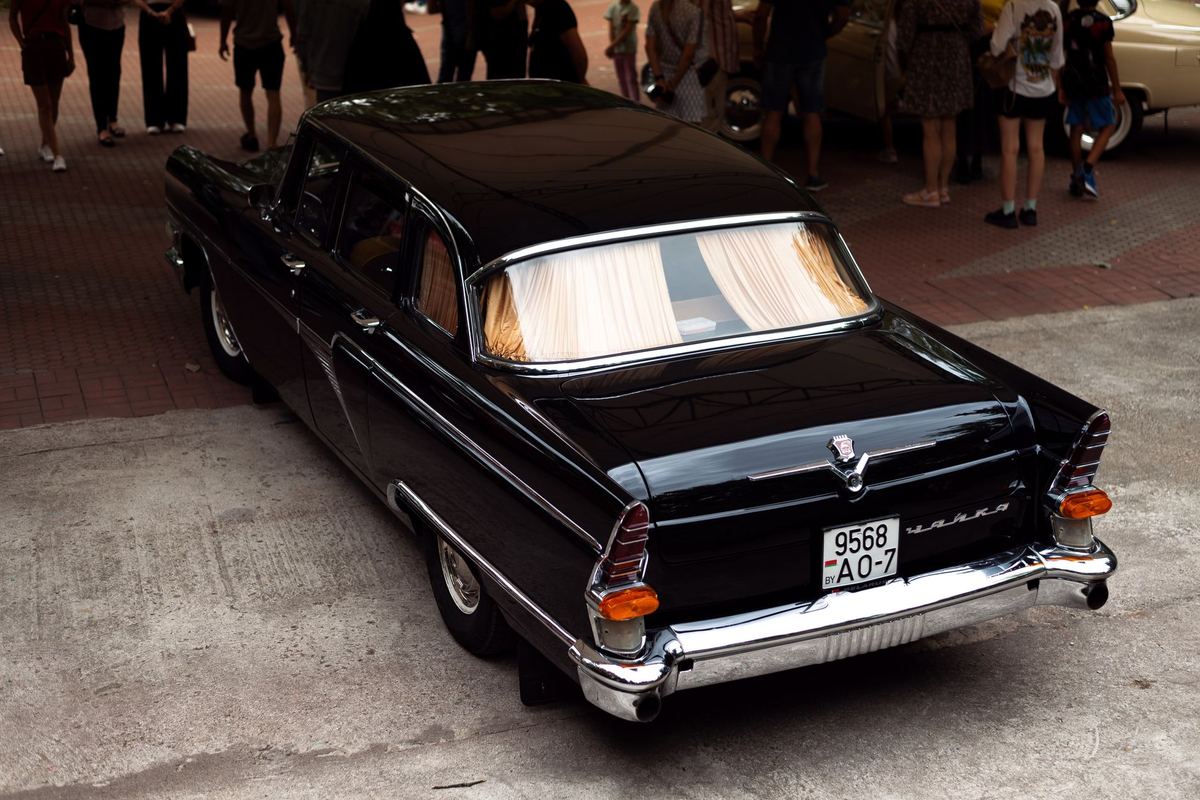
The four kinds of limo service, and who needs which
Airport limo
The largest share of Toronto limousine trips is to and from Pearson, with Billy Bishop second and the out-of-town airports — Hamilton, Buffalo, Waterloo — a growing third. An airport limo is a sedan or SUV booked to a flight number: the chauffeur tracks the aircraft, meets you at the pre-arranged pickup (Door A at Pearson's two terminals), waits free for up to an hour after an international arrival and drives you home at the fare fixed when you booked. The airport limo guide covers every airport; the fare is what a taxi charges on most routes and less than surge rideshare at peak times.
Corporate and executive car service
Companies book limousines for visiting clients, roadshows, court runs, board meetings and staff travelling to and from Pearson. The vehicles are executive sedans and luxury SUVs; the difference from a personal booking is the account behind it — monthly invoicing, cost-centre coding, named passenger profiles and a coordinator who knows the travellers. The corporate car service page explains how accounts work and what they cost, which is nothing beyond the fares.
Celebrations: weddings, proms, birthdays, nights out
This is where the stretch limousine, the stretch SUV and the limo bus come in. Toronto's wedding limo market runs from May to October with a Saturday peak; prom season is late May through June; bachelor and bachelorette parties, milestone birthdays and concert nights fill the rest of the calendar. These vehicles are booked by the hour with minimums, and the good ones are reserved weeks ahead for summer Saturdays. See the stretch limo and event limo pages for how each occasion is timed and priced.
Groups and shuttles
Between eight and thirty people, the Sprinter van and the limo bus replace a convoy of cars: conference delegates from Pearson to a downtown hotel, wedding guests between a hotel block and the venue, a corporate holiday party home across the GTA, a hockey team to Buffalo. The group transfers guide covers the maths; the short version is that one 11-passenger Sprinter costs less than three sedans on every route we run.
The fleet, briefly
Seven classes: executive sedan (3 passengers), premium sedan (3, Mercedes S-Class or BMW 7), luxury SUV (6, Escalade or Navigator), executive Sprinter (11), stretch limousine (8–10), stretch SUV (14) and limo bus (20–30). Every vehicle is black, late-model, licensed and insured; the fleet page has capacity, luggage and the honest notes on what each is not good at. Vehicles are assigned to the class you book, with substitutions only upward.
How Toronto limo fares work
Toronto limousine fares are not metered. Every fare is set before the trip, and it is built from the same components whoever the operator is: distance and expected duration, the vehicle class, the time of day (early mornings and late nights carry premiums with most operators; ours do not surge), tolls if the 407 is used, gratuity if you add it, and 13% HST. Hourly bookings for stretch vehicles and as-directed chauffeur service carry minimums — commonly two to four hours depending on the vehicle and the day — because the car and chauffeur are committed to you for the block.
We publish no rate card because a card cannot know your addresses; the engine does, and shows the total for each class before you pay. The fares explained page takes each component apart, and the journal covers the specific questions — what is included, the 407, gratuity, cancellations and what a suspiciously cheap quote usually leaves out.
How to judge a Toronto limo company
The market has excellent operators and it has brokers with a website and no cars. Ten minutes of checking separates them.
- A City of Toronto limousine licence number, printed on the vehicle, and chauffeurs with vehicle-for-hire driver licences. Ask; a real operator answers instantly.
- A GTAA permit for Pearson, if you are being picked up there. Without it the "limo" meets you in the rideshare zone or not at all.
- Insurance certificates on request. Commercial passenger liability, not a personal policy with a rider.
- Its own vehicles, photographed, not stock images. Ask which car you will get and whether it is theirs.
- A fixed written fare covering tolls, wait time and gratuity terms, before you pay.
- Named chauffeur and plate before pickup. If you do not know who is coming, nobody has been assigned.
- A 24-hour phone that a person answers. Test it at 11 p.m.
- Free airport wait measured from the actual arrival, not the scheduled one.
- Reviews that mention specifics — chauffeur names, on-time arrivals in bad weather — rather than generic praise. The reading reviews guide shows what to look for.
- A clear cancellation policy in plain words.
The 12-point checklist expands each of these. We meet all ten and will show you the paperwork.
Toronto's limousine rules, in plain language
The City of Toronto licenses limousines under Municipal Code Chapter 546 (Licensing of Vehicles-for-Hire). For passengers the rules that matter are these: limousines must be pre-arranged, so a legitimate operator will never accept a street hail; vehicles must display the licence and pass inspection; drivers must be licensed by the City after a background check; and fares must be agreed before the trip. Pearson adds its own layer through the Greater Toronto Airports Authority, which permits and fees every commercial pickup. Ontario's Highway Traffic Act and commercial vehicle inspection rules sit above both. The licensing bylaw explainer goes deeper for those who like the detail.
Service area
Every Toronto neighbourhood and every GTA municipality, the six airports Toronto travellers use, and long-distance service across Ontario, into Quebec and to the US Northeast. Our most-travelled routes have their own pages: Pearson to downtown hotels, Toronto to Niagara Falls, Toronto to Muskoka, Toronto to Ottawa, Toronto to Buffalo and Toronto to Montreal. City and neighbourhood guides — Mississauga, Vaughan, Markham, Yorkville, the Financial District and the rest — explain the local pickup logistics.
Booking a limo in Toronto: what to have ready
For a sedan or SUV: addresses, time, passengers, bags and the flight number. For a stretch or bus: the date, the timeline (first pickup to last drop-off), the venues and the headcount. For a wedding: the ceremony and reception addresses, photo locations and whether the guest shuttle is separate — our wedding-day timeline guide is a useful worksheet. For corporate: the company name, a billing contact and the expected monthly volume, and the account is live within a business day.
Then book. The engine confirms sedans, SUVs and Sprinters instantly; stretch vehicles and buses are confirmed by dispatch within the hour after checking the timeline. Phone and email work at every hour for anything that does not fit the form.
A calendar of Toronto limousine demand
Knowing when the city books helps you book well. January to March is the quiet season for celebration vehicles and the busiest for airport SUVs — March Break week at Pearson is the single heaviest departure period of the year, and cars are assigned days ahead. April brings the first weddings and the Blue Jays' home opener. May and June are prom season: stretch limousines and stretch SUVs are reserved for Friday and Saturday nights four to six weeks in advance, and Toronto's high schools stagger their dates across both months. June to October is wedding season proper, Saturday-heavy, with the Sprinters and buses working shuttles between hotel blocks and venues; the same weekends carry Pride (late June), the Caribbean Carnival's grand parade (early August) and TIFF (early September), each closing streets our event guides describe. November is corporate — trade shows at the Metro Toronto Convention Centre, the Royal Winter Fair, holiday parties — and December is the month of two peaks: Pearson before Christmas and New Year's Eve, when every vehicle in the city is spoken for by the second week of the month.
The rule that follows from this: sedans and SUVs can be booked the same day almost any time; stretch vehicles and buses want two to six weeks for a summer Saturday and eight for New Year's Eve; and Pearson cars in the last week before Christmas and the first Saturday of March Break should be booked when you buy the flight.
Limousine service and Toronto's licensing categories
Passengers rarely need the legal detail, but two distinctions explain a lot of what you see online. Toronto licenses three kinds of vehicle for hire: taxicabs (metered, hail-able, with regulated rates and a flat fare from Pearson), limousines (pre-arranged only, fares agreed in advance, a higher vehicle standard) and private transportation companies, the category rideshare apps operate under. A "limo" that lets you hail it is a taxi; an app car in a black SUV is a PTC vehicle, not a limousine, and the driver is not required to hold a limousine licence. The distinction matters at Pearson, where each category has its own pickup zone and its own permit, and it matters when something goes wrong, because the insurance minimums differ. The bylaw explainer and the GTAA permit guide go into the detail.
Stretch limousines: a candid note
The stretch limousine is a celebration vehicle and we love it for that. It is not, however, a good airport car (four bags, low ground clearance, a long turning circle at the Door A pickup), it is not a good winter car for anything beyond the city, and it is not the cheapest way to move eight people — a Sprinter is. We say so when you enquire, and we will happily pair a stretch for the couple with an SUV for the luggage, or suggest a stretch SUV when the party is twelve. The stretch limo guide explains when the classic still makes sense, which is often.
Sample itineraries and what they cost relative to each other
Because we price live rather than from a card, the useful thing we can tell you here is the order of magnitude and the shape. A sedan from downtown to Pearson is a single fixed fare in the range of a regulated taxi. An hourly sedan for a three-hour evening — dinner at a Yorkville restaurant, drinks on King West, home to Leaside — costs roughly two and a half times that airport fare, because the car and chauffeur are yours for the block. A stretch limousine for a four-hour wedding minimum on a June Saturday costs roughly two to three times the hourly sedan figure. A Sprinter shuttle for eleven guests for six hours sits between the two. A limo bus for a corporate holiday party, five hours across the GTA, is the most expensive single booking most clients ever make and still cheaper per head than sending twenty-five people home in taxis. The engine turns these shapes into numbers for your dates and addresses.
Weddings, in one paragraph
Toronto weddings book three vehicle roles: the couple's car (stretch limousine, premium sedan or vintage-style by request), the bridal party vehicle (Sprinter or stretch SUV) and the guest shuttle (limo bus or Sprinters on a loop between the hotel block, the ceremony and the reception). The most common mistake is timing the reception pickup for the stated end of the party rather than an hour after it; the second is forgetting the photographer's location changes. The complete wedding guide and the hour-by-hour timeline are the two pages to read before you enquire.






