Hourly chauffeur service, defined
Hourly chauffeur service is a black car and professional chauffeur reserved for a block of time — a minimum of two hours in Toronto (three on Friday and Saturday evenings) — during which you may make unlimited stops and the car waits between them. The fare is the vehicle's hourly rate multiplied by the time used, plus any tolls or parking the itinerary incurs. It suits any outing with more than two stops, an uncertain end time or a need to keep the car close.
The point-to-point transfer is the right product for a single journey. The moment a plan has a third stop — dinner, then the theatre, then a drink; three meetings; the mall, the salon and home — separate transfers become expensive and fragile, and an hourly booking becomes both cheaper and calmer. This page explains how the hour is measured, what the rate includes and excludes, the minimums and why they exist, the itineraries Toronto clients use it for, and how to decide between hourly and point-to-point for a given day. The chauffeur service page covers full-day, multi-day and standing-order variants.

How the hour is measured
The clock starts at the booked pickup time (or when you board, if earlier) and stops when the chauffeur completes the final drop-off. Time is billed to the minimum first, then in half-hour increments. Travel to your pickup and from your last drop-off is not charged within the GTA — you pay for the time the car is yours, not for the chauffeur's commute. If the day runs past the estimate, the same hourly rate applies; there is no overtime premium and no surge at night. If it runs short of the minimum, the minimum applies, because the vehicle and chauffeur were held for you and turned down other work.
Within the GTA, kilometres are not counted. An hourly booking that leaves the region — a day that ends in Niagara-on-the-Lake, Muskoka or Kingston — is priced with a distance component that the engine shows before you confirm, so that a Toronto hourly rate is not asked to cover a 400-kilometre day. See the fares page for the structure and the long-distance guide for out-of-region days.
What the hourly rate includes
The chauffeur, the vehicle, fuel, insurance, unlimited stops, waiting time, luggage handling, bottled water and phone chargers, and a car cleaned before it reaches you. Wi-Fi in the premium sedans and Sprinters on request. Child seats on request at no charge.
Not included and itemised on the receipt: 407 ETR tolls if you or the chauffeur choose that route (the chauffeur will ask); parking the itinerary requires — if you are at a two-hour lunch on King Street and there is no legal place to wait, the car parks in a garage and the charge passes through at cost; gratuity if you add it; HST at 13%. Nothing else. There is no fuel surcharge, no booking fee, no "administrative" line.
The minimums, and why
Two hours for sedans and SUVs on weekdays and daytime weekends; three hours on Friday and Saturday evenings after 6 p.m., when every vehicle in the city is in demand and a two-hour booking would displace a full evening's work; four hours for stretch limousines and stretch SUVs; five for the limo bus. Eight hours buys a discounted day rate. Minimums exist because a chauffeur committed to you cannot take another booking; they are the reason the rate can stay flat at night when app prices double.
| Vehicle | Weekday / daytime minimum | Fri & Sat evening minimum | Day rate |
|---|---|---|---|
| Executive sedan | 2 h | 3 h | 8 h |
| Premium sedan | 2 h | 3 h | 8 h |
| Luxury SUV | 2 h | 3 h | 8 h |
| Executive Sprinter | 3 h | 4 h | 8 h |
| Stretch limousine / stretch SUV | 4 h | 4 h | — |
| Limo bus | 5 h | 5 h | — |
Ten Toronto itineraries that are cheaper by the hour
- Dinner and a show. Pickup at home, a Yorkville or King West restaurant, a Mirvish theatre or the Four Seasons Centre, a drink after, home. Four to six hours; no parking, no surge at curtain-down. See the theatre guide.
- A morning of meetings. Three Bay Street towers between 9 and 12:30, the car within a minute of each lobby. See the Financial District article.
- Real estate showings. An agent and clients across five properties from Rosedale to the Kingsway on a Saturday. See showings by black car.
- A shopping day. Yorkville boutiques, Yorkdale, the Eaton Centre, with bags in the trunk between stops. See the shopping guide.
- Medical appointments. A parent's morning at two University Avenue hospitals and a pharmacy, with a chauffeur who helps at every door. See medical transport.
- Game night. Pre-game dinner, Scotiabank Arena, the post-game pickup that avoids the Bremner Boulevard crush. See the arena guide.
- A visitor's day. CN Tower, the Distillery, Kensington Market, dinner, all with a chauffeur who knows where to stop. See first 48 hours.
- A birthday evening. Six friends, a stretch SUV, three venues, one fixed block. See birthday limos.
- Airport plus meetings. Land at Pearson, two meetings downtown, fly out from Billy Bishop — one chauffeur for the whole day.
- Wine country. A full day on the Niagara Bench with three wineries and lunch, home by dark. See Niagara wine tours.
Hourly or point-to-point? The rule
Add up the separate transfers you would otherwise book, including the return. If the total is close to or above the hourly minimum for the vehicle, or if any stop has an uncertain end time, book hourly. If it is a straight there-and-back with a fixed schedule — home to Pearson, or Pearson to a hotel — book two transfers. The engine shows both structures so you can compare for your addresses; dispatch will tell you honestly which is cheaper if you call. The hourly vs point-to-point article works through five real examples.
What the chauffeur does between stops
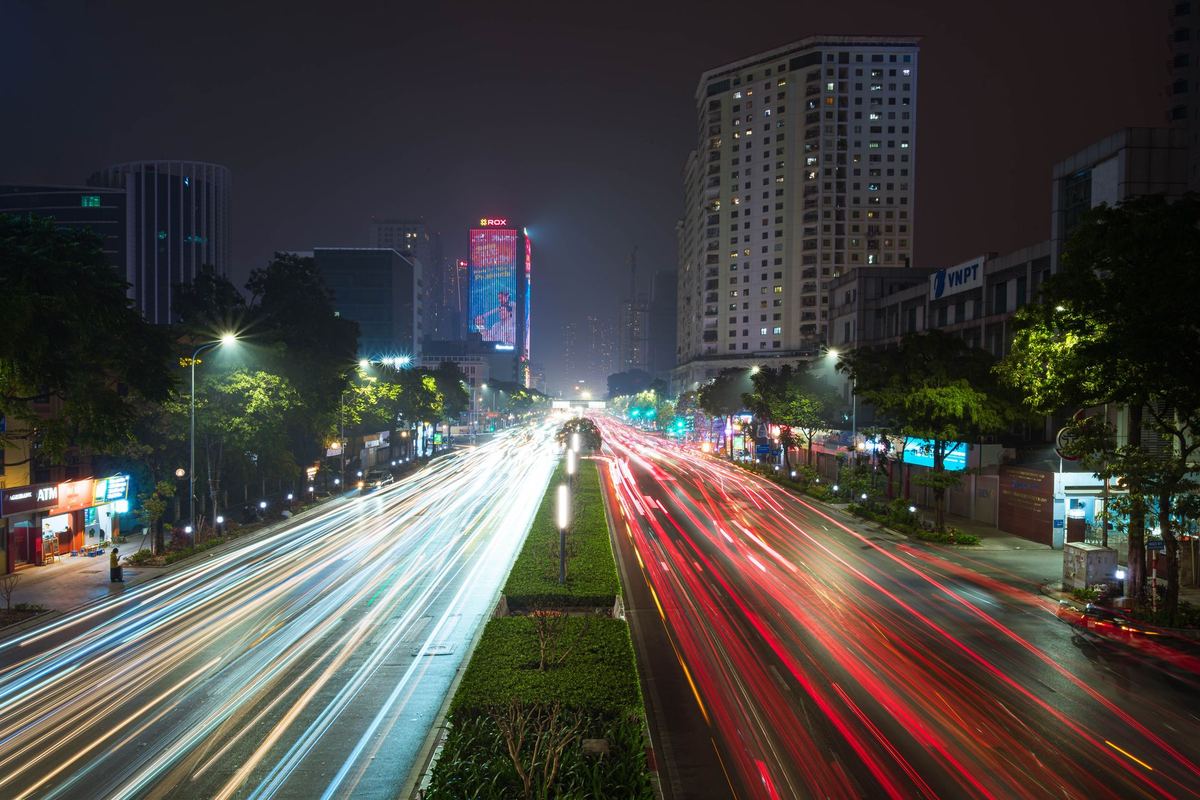
Waits, mostly, and that is the job. Within a minute or two of your door where the street allows; circulating or in a garage where it does not (downtown Toronto's idling and standing rules are enforced, and a professional chauffeur does not argue with a parking officer). The chauffeur texts when in position at each stop and does not call unless something has changed. If your plans change — a longer dinner, a new destination, a friend joining — a text or a word at the car is enough; the route and the time adjust and the fare simply follows the clock. Discretion is absolute: who was in the car and where it went is nobody's business.
Choosing the vehicle by the hour
The executive sedan is right for most hourly work; the premium sedan when the arrival matters or the day is long enough that the rear cabin's comfort earns its rate; the luxury SUV for four or more, for shopping bags, for winter; the Sprinter for six to eleven; the stretch vehicles for celebrations where the ride is the point. Hourly rates for every class are shown side by side in the engine, and the fleet page describes what each does well.
Booking hourly service
In the reservation engine, choose "hourly," set the pickup address and start time, estimate the duration and select the vehicle. The rate and the estimated total appear; confirmation is instant. Put the planned stops in the notes if you know them — the chauffeur plans the route and the parking — or leave them open and direct the car as the day unfolds. For bookings that leave the GTA, multi-day blocks and standing orders, email or call and a coordinator sets it up.
A worked example, priced in principle
A couple in Riverdale books a Saturday: pickup 5:30 p.m., dinner reservation at 6:15 in Yorkville, tickets to an 8:00 show at the Royal Alexandra on King Street, drinks afterward in the Entertainment District, home by midnight. Booked as separate transfers that is four cars, each at a Saturday-night fare, with rideshare surge at 10:30 when every theatre lets out and a real chance the fourth car cancels. Booked hourly it is one executive sedan from 5:30 to about 12:00 — six and a half hours against the three-hour Saturday-evening minimum — with the chauffeur waiting through dinner near Cumberland Street, dropping at the theatre door on King, parking legally during the show, and at the theatre door again at 10:35 because the chauffeur watched the crowd rather than a clock. No tolls, no parking beyond the one garage during the performance, gratuity if added, HST. The hourly total is less than the four transfers on almost every Saturday of the year, and the evening has no gaps.
Hourly service for business days
The same logic runs on weekdays with an executive sedan and an assistant's itinerary. A three-hour morning block for meetings in three towers; a half-day for a visiting client that begins at a hotel and ends at Pearson; a full day for a roadshow. Corporate accounts book hourly blocks as easily as transfers and the coordinator holds the itinerary; the corporate page and the roadshow guide cover the patterns. The single most valuable feature for business users is the absence of a decision: the car is simply outside, at every building, all day.
Hourly service beyond the city
Hourly bookings that leave the GTA are common and work well, with one adjustment: a distance component is added for the kilometres beyond the region so that a five-hour Toronto rate is not asked to cover a 300-kilometre round trip to Niagara-on-the-Lake. The engine shows the total before you confirm and the chauffeur's fuel and time are covered in it. Popular out-of-town hourly days: the Niagara Falls day trip, a wine tour along the Bench, Stratford for a matinee and dinner, St. Jacobs and Elora, Hamilton's waterfalls, and the fall colours drives north of the city in October.
Etiquette and small questions
You do not need to entertain the chauffeur, offer food or explain your plans; a professional needs only the next address and a rough time. You may eat and drink in the car (no smoking, ever). You may leave belongings in the car between stops — it is locked and attended. You may change the itinerary at any point. You may ask the chauffeur to wait somewhere specific, and they will if it is legal. Gratuity is your choice and can be added at booking or at the end; the gratuity guide covers Toronto norms. If anything about the service falls short, tell dispatch that evening; hourly bookings are where we most want to hear it.
Standing hourly orders
Some hourly bookings repeat: a Tuesday and Thursday afternoon for a parent's appointments and errands, a Friday school-and-activities run for a family, a Saturday shopping block. Standing orders lock the slot, the vehicle and the chauffeur, and are billed monthly on account or to a card. The standing orders article explains how they are set up and paused, and the seniors and private chauffeur pages describe the families and individuals who use them.
Comparing hourly service to owning a car and driver
Toronto families and executives who consider employing a private driver often land on hourly and standing-order chauffeur service instead, and the arithmetic explains why. A full-time driver means salary, benefits, a vehicle, insurance, parking, maintenance and the problem of what the driver does for the six hours a day nobody needs to go anywhere. Hourly service means paying only for the blocks used, with the vehicle, insurance, licensing and a replacement chauffeur when yours is ill all included. For a household that needs a car twenty hours a week, the standing order costs a fraction of the employee; for one that needs it sixty hours a week, the comparison narrows and we will say so. The private chauffeur section of the chauffeur page covers the personal-chauffeur arrangement in detail, and the seniors' guide covers the version that adult children most often set up for parents.
When hourly is the wrong product
A straight airport transfer with a fixed schedule; a single dinner reservation with a known end; a one-way trip to a hotel. For these, point-to-point is cheaper and simpler, and the engine will show you so. Hourly earns its minimum when the day has stops, waits or uncertainty — not before.






