The gratuity, in one paragraph
In Toronto a gratuity of 15 to 20 per cent of the fare (before HST) is customary for chauffeured car service — 15 standard, 20 for exceptional service — and it is never required and never solicited. Pay it on the card (a line in the booking engine at booking, or added by text after the trip), in cash to the chauffeur, or as a set percentage on a corporate account so that no one thinks about it; it reaches the chauffeur in full and appears on the receipt as its own line. It is not included in the fare unless an account's terms say so. For a wedding or prom in a stretch, 15 to 20 per cent of the total is customary and often included in the package; for a multi-day hire, a daily amount; for a group, one gratuity, not one per passenger. A passenger who does not tip has done nothing wrong.
Tipping is a custom, not a rule, and customs are learned by asking — which is why this article exists. Toronto tips as North American cities do: restaurants, taxis, hairdressers and chauffeurs receive a gratuity as a matter of course, and the range for chauffeured service has settled at 15 to 20 per cent. The mechanics matter as much as the amount, because a passenger who wants to tip and cannot find the way is frustrated and a passenger who is charged a gratuity without knowing is worse than frustrated. This article covers the custom and the range, the three ways to pay it, the cases where it is already included and how to tell, the occasion vehicles and the packages that bundle it, the multi-day and the group, what the chauffeur receives and how, the corporate account's set percentage, the international visitor's question, when not to tip, and the etiquette of never being asked — because that last one is a promise.
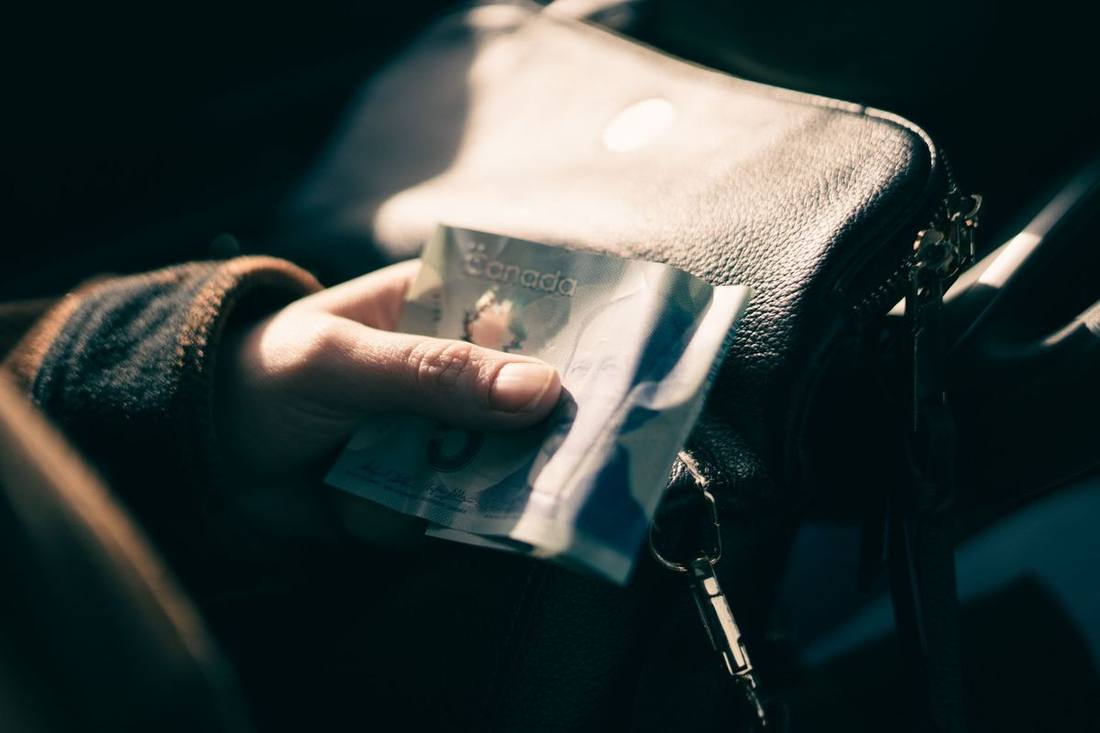
The custom and the range
Fifteen per cent is the standard gratuity for a chauffeured trip in Toronto — the same as a taxi's or a restaurant's baseline — and twenty per cent is the generous end, for a chauffeur who waited through a two-hour customs hall without a word, carried a grandmother's bags up the stairs, or handled a 4 a.m. departure with the calm that the red-eye article describes. Below fifteen is unusual but not an insult; a round number is fine; on a long fare the percentage produces a large tip and passengers sometimes cap it, which is also fine. The percentage is of the fare before HST and before any 407 toll (a passenger does not tip on a toll), and the what is included article lists the gratuity among the fare's exclusions.
On the card, at booking
The engine has a gratuity line — a percentage or an amount — that a passenger can set at booking so that the question is answered before the trip and nothing happens at the curb; it appears on the confirmation and the receipt as its own line, and it reaches the chauffeur in full. The how to book online article shows where.
On the card, after the trip
A passenger who prefers to decide after the trip texts dispatch's number or replies to the receipt — "add 20 per cent, please" — and the card is charged the amount, the receipt reissued with the line, and the chauffeur credited. There is no deadline that matters; a tip added a week later still reaches the chauffeur.
In cash
Cash handed to the chauffeur at the door is the oldest method and still common; the chauffeur keeps it, it does not appear on the receipt, and a passenger who wants it on the receipt for an expense report should use the card instead. Chauffeurs carry no change for a gratuity and will not ask for one.
The corporate account's set percentage
A corporate account may write a gratuity into its terms — 15 per cent on every trip, say — so that its travellers need not carry cash or think about the question, the statement shows the gratuity as a column, and the chauffeurs know it is coming; the corporate account billing article shows the statement and the corporate travel policy article suggests the account set one. A traveller on such an account who tips again at the curb has tipped twice, and the etiquette article notes that the account's travellers should know their account's terms.
When it is already included, and how to tell
The gratuity is included only when a corporate account's terms set it or when an occasion package (a wedding or prom stretch booking, a limo bus night) states "gratuity included" — and in both cases the confirmation and the receipt show it as a line. If the confirmation does not show a gratuity line, none has been charged. Some operators add an automatic gratuity to every fare in terms the passenger did not read; the cheap limo service article lists the practice, and ours is never automatic.
Weddings, proms and the occasion vehicles
For a stretch limousine or a limo bus on a wedding day or a prom night, 15 to 20 per cent of the total is customary, and many couples and parents prefer it bundled into the package at booking so that nobody is handling cash at the reception; the wedding limo guide and the prom guide explain the package and the stretch limousine guide the vehicle. A chauffeur who has driven a wedding for ten hours — the church, the photographs, the reception, the last dance — has earned the generous end.
The multi-day hire and the long-distance run
For a multi-day chauffeur hire — a chauffeur with you for three days in Muskoka or a week of meetings — a daily gratuity at the end of the engagement is the custom, calculated on the daily rate; for a long-distance run — Niagara, Kingston, Buffalo — the percentage of the fare, capped if the passenger prefers. The long distance vs flying article covers the fares.
Groups
A Sprinter or a bus carrying ten passengers earns one gratuity — 15 to 20 per cent of the vehicle's fare — not ten; the group's leader adds it on the card or collects it, and the group transfers article notes that one tip for one vehicle is part of the group booking's arithmetic against three taxis and three tips.
What the chauffeur receives
A gratuity on the card reaches the chauffeur in full — no processing deduction, no house share — in the chauffeur's next pay; cash is the chauffeur's at the door. Chauffeurs are paid a wage or a contractor rate for their hours regardless of tips (the what drives the fare article puts the chauffeur's pay among the fare's largest components), and the gratuity is what it says — a gift for service, not a subsidy for wages. The Canada Revenue Agency treats gratuities as the chauffeur's income and the becoming a chauffeur article describes the career's economics.
The international visitor's question
Visitors from Japan, Australia, much of Europe and elsewhere where tipping is not customary ask most often, and the honest answer is that Toronto tips and 15 per cent is the norm, that nobody in the trade will think less of a visitor who did not know, and that the engine's gratuity line settles it in advance for anyone who wants it settled. Visitors from the US tip as at home and are usually at the generous end.
When not to tip
When the service was poor — a late car, a rude chauffeur, a dirty vehicle — a passenger should not tip and should tell dispatch, who would rather hear it than see a tip withheld silently; the reading reviews article describes what happens when a problem is named. When the account has set the gratuity. When the package included it. When the passenger simply prefers not to: it is a custom, and a passenger who does not tip has done nothing wrong and will be treated exactly the same next time.
The etiquette of never being asked
Our chauffeurs do not mention gratuity, do not leave a card with a suggested percentage on the seat, do not linger at the door, do not react to its absence. The card terminal, where a chauffeur carries one, does not prompt for a tip unless the passenger asks. The receipt shows a gratuity only if the passenger added one. The reason is simple: a gratuity that is solicited is a fee, and we charge the fare.
A worked set of tips
A Rosedale-to-Pearson sedan: 15 per cent of the fare, set in the engine at booking. A Sprinter for ten from Terminal 3 to a Financial District hotel: one gratuity of 15 per cent, added by the leader on the card. A wedding day in a stretch: 18 per cent of the total, included in the package at booking in March. A week of meetings on a corporate account: 15 per cent by the account's terms, on the statement. A 1 a.m. arrival where the chauffeur waited ninety minutes through customs and a lost-bag report: 20 per cent, added by text the next morning. A grandmother's weekly Tuesday standing order: cash at the door, the same each week, from the son who pays for it and visits at Christmas.
Gratuity quick reference
| Situation | Customary amount | How |
|---|---|---|
| Standard transfer or hourly | 15% of the fare (before HST) | Engine at booking, card after by text, or cash |
| Exceptional service | 20% | Same |
| Corporate account | Set % in the account's terms | On the statement; no tip at the curb |
| Wedding / prom stretch | 15–20% of the total | Usually bundled in the package |
| Multi-day hire | A daily amount at the end | Card or cash |
| Long-distance run | 15–20%, often capped | Card or cash |
| Group (Sprinter / bus) | One gratuity of 15–20% of the vehicle fare | Leader's card |
| Poor service | None — tell dispatch | — |
| Package says "gratuity included" | Already paid | Shown on the confirmation |
Settling it
The engine's gratuity line settles the question at booking for anyone who wants it settled; the etiquette article has the rest of the questions passengers ask, and the FAQ the short answers.
Gratuity and the receipt for expenses
A business traveller who tips on the card gets the gratuity as a line on the itemised receipt, which most companies reimburse within their policy's limits (often 15 to 20 per cent); a cash tip has no receipt and is the traveller's own. The expense reports article covers what finance departments accept, and the corporate travel policy article suggests a policy state the gratuity limit or set one on the account so the traveller need not.
The chauffeur's view
Asked what a gratuity means to them, chauffeurs say two things: that it is welcome and never expected, and that a passenger who says thank you by name and books them again has given the larger gift. The etiquette article makes the same point about the chauffeur's name, and the standing orders article about the request by name.
Booking notes on gratuity
Two small things. If you want it settled, set it in the engine and forget it. If you do not, know that nobody will raise it, and that a thank-you at the door is heard.
A note on the hotels' and the airport's habits
Hotel doormen who take the bags from the chauffeur at the porte-cochère are tipped by the guest separately, as the hotel's custom dictates, and the chauffeur's gratuity is the chauffeur's; at Pearson nobody at Door A is tipped except the chauffeur, and the GTAA's curbside staff do not accept gratuities. A passenger who tips the chauffeur and the doorman has tipped two people for two services, which is the custom; a passenger who tips neither has offended no one.
Standing orders and the weekly tip
A standing order's passenger — the weekly commuter, the senior's Tuesday — often settles the gratuity once on the account as a percentage and never thinks of it again; a family paying for a parent's weekly car sometimes prefers cash at the door from the parent, which the standing orders article notes is the older custom and equally fine.






