When something goes wrong, in one paragraph
A professional Toronto operator has a written response to every failure: a collision (the chauffeur's protocol — the safest place, the passengers first, 911 if needed, dispatch, the exchange with no admission, the police where Ontario's thresholds require, the collision reporting centre within 24 hours, the substitute vehicle for the passenger's onward trip at no charge, the insurer's notice, the telematics record preserved); a passenger's injury (first aid, the ambulance, the hospital, the fleet's follow-up, and the claim under Ontario's no-fault accident benefits and, where there is fault, the tort claim against the fleet's $5 million policy — the limo insurance article); a breakdown (the substitution within minutes, the fare unchanged — the fleet maintenance article); a late or missed pickup (the remedy by cause, the refund); a lost item (the chauffeur's check, dispatch's log, the return); a fare dispute (the quote, the extras, the same-day correction); and a conduct complaint (the same-day review, the telematics, the chauffeur's removal pending, the City's bylaw office as the escalation). The complaint path runs from dispatch to the fleet's manager to the City's Municipal Licensing and Standards and the province, with timelines; the passenger should document (the booking number, the time, the plate, the photographs); and the promise is that the operator answers the same day and makes it right.
The trade's incident rate is low — the passenger safety article's layers see to that — and the trade's reputation rests on the rare day the layers fail: the passenger whose car was hit on the Gardiner and who still made the flight in the substitute, the executive whose phone was found in the seat and couriered to the hotel by noon, the family whose fare was corrected before they asked twice, the woman whose complaint about a chauffeur's comment was answered by the manager the same afternoon. This guide covers each failure and the professional response — the collision, the injury, the breakdown, the late car, the lost item, the fare dispute, the conduct complaint — plus the insurance behind them, the fleet's complaint path and its timelines, the City's and the province's escalation, what to document, the promise, and a worked collision from the passenger's seat.
The collision: the chauffeur's protocol
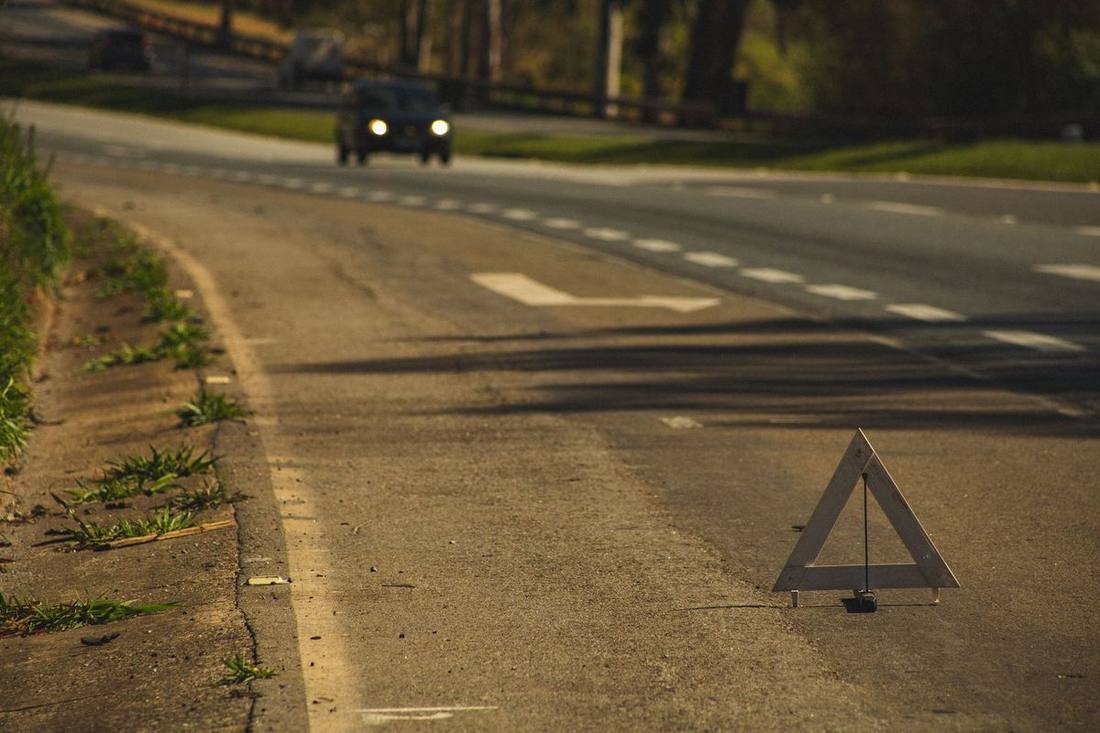
Drilled annually (the defensive driving article's incident module): the vehicle to the safest place — the shoulder, the next exit, a side street, not the live lane (Ontario's law requires moving a drivable vehicle out of traffic where it is safe); the hazards; the passengers first — "are you hurt?", the seat belts, the visible injuries, the first aid the chauffeur is trained in, 911 if anyone is hurt or the vehicle is not drivable in a live lane; dispatch on the hands-free within the first minute (the location, the passengers, the vehicle, the other party) — dispatch opens the incident, routes the nearest vehicle, and stays on the line; the exchange with the other driver (the licence, the insurance, the plate, the photographs of both vehicles and the scene — and no admission of fault, which is the insurer's question); the police where the law requires (an injury, damage that appears to exceed Ontario's reporting threshold — $5,000 combined since 2024 — a hit-and-run, an impaired driver, a government vehicle) by 911 or the non-emergency line, and otherwise the collision reporting centre (Toronto's at Scarborough and North York, the 905's own) within 24 hours with the vehicle; the substitute vehicle for the passenger — the nearest fleet vehicle of the same class or better, at the scene within minutes in the city, the passenger's trip completed at no charge and no change to the fare; the insurer's notice the same day; the telematics record (the speed, the braking, the location, the seconds before) preserved and pulled; and the chauffeur's written statement before the shift ends. The Ontario HTA rules article has the law and the Ontario collision reporting page the province's guidance.
The passenger's injury
At the scene: the first aid and the ambulance if there is any doubt (a chauffeur errs toward the ambulance; the fleet pays for a paramedic's assessment that finds nothing); the hospital (the hospital row article's emergency departments — the chauffeur or the substitute drives a passenger who declines the ambulance but wants to be seen); the fleet's follow-up (the manager's call that day and the next, the incident report shared with the passenger, the corporate account's travel manager informed). The claim: Ontario's no-fault statutory accident benefits (every injured occupant claims medical, rehabilitation, income replacement and attendant care benefits from an insurer regardless of fault — the passenger's own auto insurer if they have one, otherwise the fleet's, under the Insurance Act's priority rules; the fleet's insurer's claims line is on the incident report); and, where another party or the fleet's chauffeur was at fault, the tort claim for the damages beyond the benefits (pain and suffering above the threshold, income loss, care) against the at-fault party's insurer — the fleet's $5 million commercial policy (the limo insurance article) if its chauffeur was at fault; a passenger's own lawyer for a serious injury, and the Financial Services Regulatory Authority for the benefits' rules. The fleet does not make the passenger fight for the benefits and the duty of care article's employer is informed.
The breakdown
The fleet maintenance article's five-year rule and daily inspection make it rare (the road-call rate under two per 10,000 trips); when it happens — the warning light, the flat, the battery at the curb, the Sprinter's sliding door — the chauffeur pulls to the safest place, calls dispatch, and the substitute arrives (within minutes in the city; twenty to forty on the 401; the limousine network's affiliate in Niagara or Muskoka); the passenger's fare is unchanged, the trip completes, the flight is usually made (dispatch calls the airline if it is close), the roadside service takes the vehicle, and the substitution clause in the cancellation policy is the contract's promise; a fleet of one vehicle cannot do this, which the cheap limo service article notes.
The late or missed pickup
Causes the fleet controls: a dispatch error, a chauffeur's lateness, a vehicle assigned too far away — the remedy is the nearest car immediately, the fare reduced or waived by the manager the same day, and the corporate account's credit; a missed pickup that the fleet caused (it happens perhaps once a year on a professional fleet) is a full refund, the alternative transport reimbursed (the taxi, the UP Express — the Pearson limo vs UP Express vs taxi article), and the manager's call. Causes the fleet does not control: a closed highway, a collision ahead, a snowstorm (the Pearson winter storm article), a police closure — the chauffeur's text at the first sign, dispatch's re-routing, the rush hour article's alternatives, and no charge for the delay's extra time on a transfer; the passenger who was late (the wait-time policy's fifteen minutes free, then the waiting rate) is the other case. A passenger tells dispatch the moment the car is not where the text said.
The lost item
The phone in the seat crease, the wallet in the door pocket, the coat on the hook, the passport in the seatback (it happens at Pearson weekly): the chauffeur's post-trip check finds most (the vehicle cleaning article's reset includes it), dispatch's lost-and-found log records every item with the trip number, the passenger's call to dispatch matches it, and the return is by the next fleet vehicle passing the passenger's address or hotel (usually within hours, at no charge in the city), by courier for the out-of-town passenger (at cost), or by the chauffeur's detour on an hourly (the lost luggage article covers the airline's version); an item not found is logged and the passenger told the same day, and the privacy and discretion article's rules mean the phone's contents are never touched.
The fare dispute
The receipt does not match the quote: the passenger replies to the receipt or calls dispatch; the manager compares the booking's quote, the extras the passenger requested (the coffee, the flowers, the 407, the waiting beyond the policy, the added stop — the what is included article), and the gratuity the passenger set; an error is corrected and refunded the same day with an apology; a legitimate extra is explained line by line; and a dispute that remains goes to the fleet's manager and, if needed, the card issuer's chargeback and the City's bylaw office (the fare disclosure rule — the Toronto limousine licensing article). The how fares are calculated article says what should be on the receipt.
The conduct complaint
A chauffeur who asked a personal question, made a comment, drove badly, used the phone, was rude, was late without a text, smelled of smoke, or did anything the chauffeur vs driver article's conduct forbids: the passenger tells dispatch the same day (the rating after the trip asks directly); the chauffeur is off the road while it is reviewed (that day); the manager pulls the telematics (the speed, the events, the phone's use if the vehicle logs it), the trip record and the chauffeur's file, calls the passenger back within 24 hours, and decides — the warning, the retraining, the removal from the account, the dismissal (a privacy breach or a women travelling alone conduct breach is dismissal); the passenger is told the outcome in general terms; and the corporate account's travel manager is informed. A passenger who is not satisfied escalates to the City (below) and, where the conduct was criminal, to the police.
The fleet's complaint path and its timelines
Dispatch (the number on the confirmation, 24 hours) — the immediate fix: the substitute, the swap, the re-route, the incident opened. The fleet's manager (by email or the dispatch escalation, within 24 hours) — the review, the call back, the correction, the credit, the outcome. The fleet's owner or general manager (within a week) — a complaint the manager did not resolve. The written record — every complaint logged with the trip number, the outcome, and the duty of care article's reporting to the corporate accounts quarterly. A professional fleet resolves 95 percent at dispatch or the manager, and the rest within the week.
The City's and the province's escalation
The City of Toronto's Municipal Licensing and Standards (311, or the online complaint form) for a licensed limousine's conduct, fare disclosure, vehicle condition, refusal of service or accessibility failure — the bylaw officer investigates, the fleet answers, and the outcomes are the Toronto limousine licensing article's fines and licence actions; the 905 municipalities' licensing offices for their licensees; the GTAA's ground transportation office for an airport curb incident (the GTAA permit article); the Ontario Ministry of Transportation for a commercial vehicle safety matter and the CVOR record for the buses; the Financial Services Regulatory Authority for an insurance benefits dispute; the Consumer Protection Ontario office for a contract or a refund dispute; the Toronto Police for a criminal matter; and the Office of the Privacy Commissioner for a data breach. The fleet's own path is faster, and the escalation is the passenger's right.
What the passenger should document
The booking number (on the confirmation), the date and the time, the chauffeur's name and the plate (on the text), the location, what happened in a sentence, the photographs (the scene, the vehicles, the damage, the receipt, the item), the other party's details if a collision, the witnesses' names, the ambulance's or the police's report number, the medical visit's record, and the dispatch call's time and the person spoken to; sent to dispatch or the manager by email so it is on the record. The passenger safety article's share-my-trip link and the fleet's telematics are the objective record on the fleet's side.
The promise
A professional operator promises that something going wrong is answered the same day by a person with the authority to fix it, that the passenger's onward trip, health and money come before the fleet's convenience, that the record is kept and shared, that the chauffeur at fault is dealt with, that the insurance is real and the claim is not fought, that the complaint path is written and the escalation is explained, and that the passenger who had a bad day is next month's regular because of how the day ended; the cheap limo service article describes the operator who promises none of it, and the what makes a car a black car article counts the promise as part of the definition.
A worked collision, from the passenger's seat
A Forest Hill executive to Terminal 1 for a 9:10 flight, a Thursday in March, 7:05 a.m., the S-Class on the 427 northbound at Dixon: a pickup truck changes lanes into the S-Class's rear quarter at 80 km/h — a jolt, the S-Class's stability control, the chauffeur's smooth pull to the shoulder in four seconds, the hazards. "Are you hurt?" — no. Dispatch on the hands-free at 7:06: "427 north at Dixon, shoulder, one passenger uninjured, rear quarter, other party stopped." Dispatch: "the ESV on the 409 is four minutes from you." The chauffeur out to the truck's driver — the licence, the insurance, the plate, the photographs of both vehicles and the lane; no discussion of fault. 7:11: the ESV on the shoulder behind; the passenger and the bag transferred; "Terminal 1 — you'll make it"; 7:24 Door A. The chauffeur waits for the police (damage over the threshold), gives the statement, drives the S-Class (drivable) to the North York collision reporting centre at 9:30, files with the fleet's insurer at 10:15; the telematics pulled (the S-Class at 78 in a 100, the lane held, the truck's intrusion on the side camera); the manager's call to the passenger at 11:00 (in the lounge in Vancouver by then — "I'm fine; the ESV was already there when I looked up"); the incident report to the passenger and the firm's travel manager by email at 2:00; the fare unchanged; the S-Class in the body shop for eight days and a substitute on its roster. One collision, nineteen minutes from the jolt to Door A, one flight made.
Incident response quick reference
| What went wrong | The professional response |
|---|---|
| A collision | Safest place; hazards; passengers first; 911 if hurt; dispatch in 1 min; the exchange, no admission; police where required (injury, > $5,000, hit-and-run); the reporting centre in 24 h; the substitute at the scene; the insurer notified; the telematics preserved; the statement |
| A passenger's injury | First aid; the ambulance (err toward it); the hospital; the manager's call; the incident report; no-fault accident benefits (the passenger's own insurer or the fleet's); the tort claim against the $5M policy where at fault |
| A breakdown | The substitute within minutes (city) / 20–40 (highway) / the affiliate (out of town); the fare unchanged; the trip completed; the airline called if close |
| A late / missed pickup | Fleet's cause: the nearest car, the fare reduced or waived, a full refund and the alternative reimbursed for a miss; not the fleet's cause: the text, the re-route, no charge for the delay |
| A lost item | The chauffeur's check; dispatch's log; the return by the next vehicle (hours, free in the city) or courier (at cost); nothing on the phone touched |
| A fare dispute | Reply to the receipt; the quote vs the extras vs the gratuity compared; an error refunded the same day; the City for a disclosure failure |
| A conduct complaint | Tell dispatch the same day; the chauffeur off the road pending; the telematics and the file pulled; the call back in 24 h; warning / retraining / removal / dismissal; the account informed; the City and the police as escalations |
| The path | Dispatch (now) → the manager (24 h) → the owner (a week) → the City's MLS / the 905's office / the GTAA / the MTO / FSRA / Consumer Protection / the police / the Privacy Commissioner |
| Document | The booking number; the time; the plate; the location; a sentence; the photos; the other party; the witnesses; the report numbers; the medical record; the call's time |
Booking with the promise
Every booking on the engine, the Pearson page, the corporate car service page and the hourly chauffeur page carries the dispatch number and the complaint path on the confirmation; the corporate account gets the incident reports and the quarterly log. If something goes wrong, tell dispatch the same day; the answer comes the same day.






