Sedan or SUV, in one paragraph
The executive sedan (the Mercedes S-Class, the BMW 7 Series, the Cadillac CT6, the Lexus LS, the Lincoln sedans) carries one to three passengers and two large bags in the quietest, smoothest ride in the fleet; the luxury SUV (the Cadillac Escalade, the Lincoln Navigator, the Chevrolet Suburban) carries four to six passengers and four to six bags (the luggage capacity article has the counts), rides higher, and is the winter vehicle (all-wheel drive, the ground clearance — the winter driving article). The fare difference is modest on a Pearson run and disappears when the sedan's trunk forces a second car; the rule is count the bags first, then the people, then the weather: two people with four bags is an SUV, three people with hand luggage is a sedan, and a family of four with skis is an SUV or a Sprinter. The fleet page shows both and the engine prices both for the date.
Dispatch assigns vehicles all day and sees the same mistake all day: a couple books a sedan for a two-week trip and the chauffeur arrives to find four checked bags and a golf case on the porch, or a solo executive books an SUV for a briefcase and pays for room they never use. The sedan and the SUV overlap for most of the fleet's work — a solo airport run, a corporate transfer, a dinner — and diverge sharply at the edges: bags, winter, headcount, the elderly passenger's step, the wedding's photograph. This guide is the comparison from the driver's seat and the dispatcher's screen: what each vehicle is, the trunk arithmetic, the ride and the noise, the winter question, the step-in, the fare, the airport run, the corporate day, the family, the executive, the wedding, the hotel, and the rule.
What the sedan is
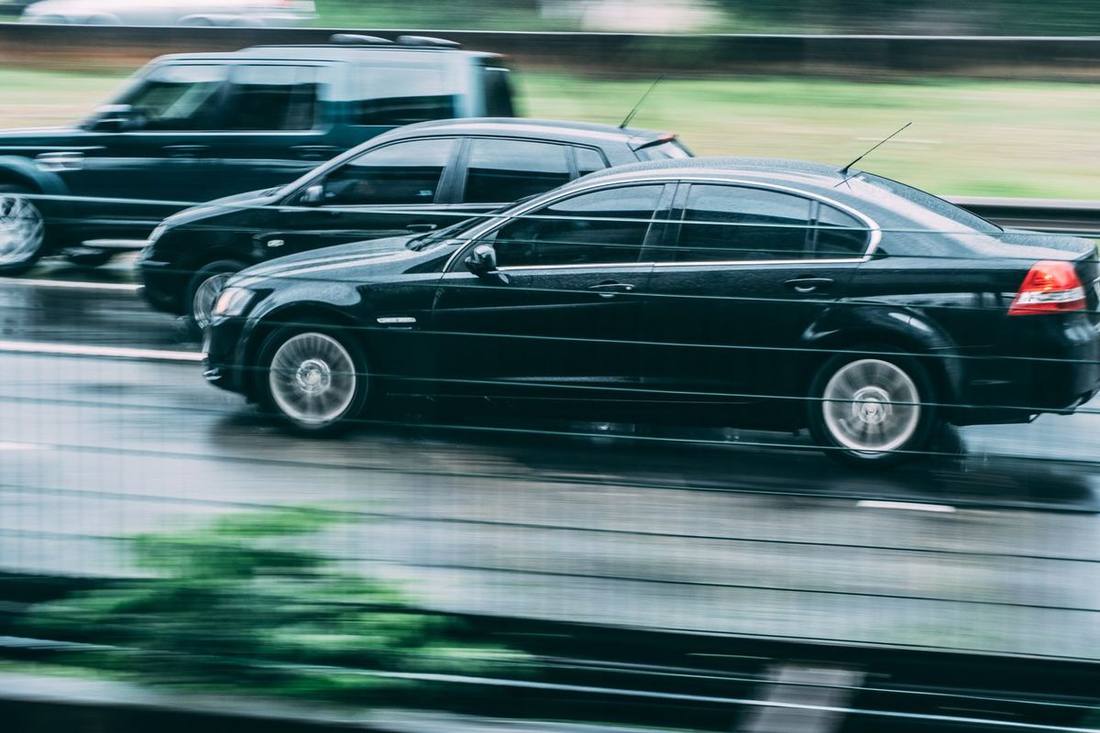
The executive sedan in a Toronto fleet is a full-size luxury car — the Mercedes-Benz S-Class (the fleet's flagship), the BMW 7 Series, the Cadillac CT6 (and the XTS and Lincoln MKT/Continental that older fleets ran), the Lexus LS, the Genesis G90 in some fleets, the Audi A8 in a few — with a rear seat built for two adults in comfort and three in a pinch, rear legroom of a metre or more, a trunk of 450 to 550 litres (two large checked bags and two carry-ons, or three large bags with no carry-ons), a ride tuned for silence, tinted rear glass, rear climate, and the in-car amenities article's water, chargers and Wi-Fi. It is the vehicle for one to three passengers whose luggage is a rolling bag each, the vehicle the corporate car service page assigns for the executive's day, and the vehicle the what makes a car a black car article describes as the trade's standard.
What the SUV is
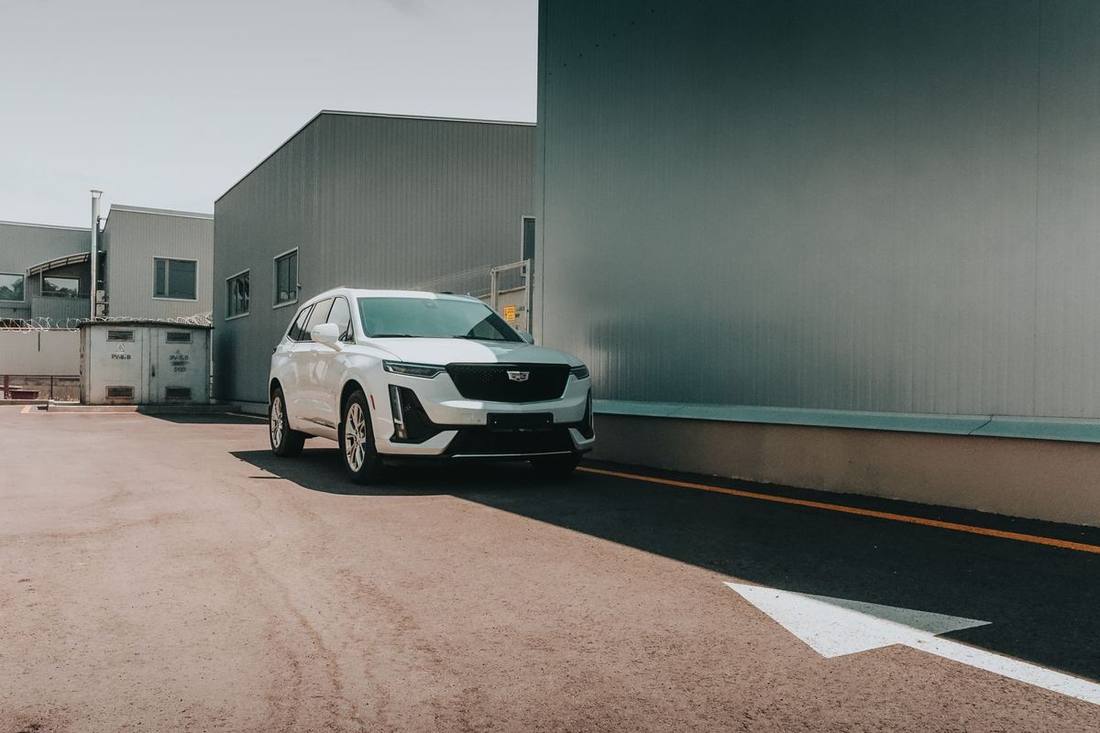
The luxury SUV is a full-size, body-on-frame or unibody three-row vehicle — the Cadillac Escalade (and the ESV long-wheelbase), the Lincoln Navigator (and the L), the Chevrolet Suburban and the GMC Yukon XL in fleets that run them, the Mercedes GLS and the BMW X7 in a few — with a second row of two captain's chairs or a three-seat bench, a third row for two adults or three children, cargo of 600 to 1,100 litres behind the second row (four to six large bags) and 300 to 1,200 behind the third depending on the wheelbase, all-wheel drive as standard, a ride height that puts the passenger above the traffic, and the same amenities. It is the vehicle for four to six passengers, for two with a trip's worth of bags, for a family with car seats (the child seats article), and for anyone travelling on a February morning.
The trunk arithmetic
The luggage capacity article has the table; the short version: a sedan takes two large (28-inch) checked bags and two carry-ons, or three large and nothing else, and a golf bag or a ski bag displaces a large bag; an SUV takes four large and four carry-ons behind the second row with the third row folded, or three large behind the third row with six passengers; a Sprinter takes fourteen passengers' worth. The dispatcher's question is not "how many of you?" but "how many bags, and how big?" — and the families with luggage article shows why a family of three with a stroller and three checked bags is an SUV, not a sedan.
The ride and the noise
The sedan wins: the S-Class's air suspension and double glazing make it the quietest cabin on the 401, the rear seat reclines, and a passenger on a call or asleep after a red-eye (the red-eye article) notices the difference; the SUV rides well — the Escalade's magnetic ride and the Navigator's adaptive suspension are good — but higher, with more wind noise at highway speed and a firmer response over the Gardiner's joints, and the third row is a third row. A solo executive who values the ride books the sedan; a group who values the room books the SUV; and the in-car amenities article's amenities are the same in both.
The winter
Toronto's winter is the SUV's argument: all-wheel drive on the winter tires article's tires, twenty centimetres of ground clearance for the unplowed side street and the airport's slush, and the weight that holds the 401 in a crosswind; the sedans are rear-wheel or all-wheel drive on the same tires and handle a plowed road well, but a February morning with fifteen centimetres overnight is an SUV morning, and dispatch upgrades sedan bookings to SUVs at no charge on a storm day when the fleet allows (the Pearson winter storm article). From May to November the winter argument is moot and the sedan's ride wins.
The step-in and the elderly passenger
The sedan's seat is at hip height — a step down for an elderly passenger, easier for most; the SUV's is a step up on a running board with a grab handle, harder for a passenger with a hip or a knee, easier for one with a back who cannot fold down into a low seat; the accessible service article covers the passengers who need the ramp, and the seniors' guide says the chauffeur's arm is the equaliser in both; a booker who says "my mother is eighty-four" gets the dispatcher's question — hip or back? — and the right vehicle.
The fare and when the difference disappears
The SUV's fare is above the sedan's on every route — the how much does a black car cost article works both for a Pearson run and a downtown transfer, and the engine prices both for the date — by a margin that is modest on an airport run and larger on the hourly; the difference disappears the moment a sedan's trunk forces a second vehicle (two sedans cost more than one SUV) and the moment the weather forces an upgrade; the what is included article says both fares include the same things. A booker who is on the line between them and unsure of the bags books the SUV; a booker who knows it is one rolling bag books the sedan.
The airport run by count and bags
One passenger, one bag: sedan. Two passengers, two bags: sedan. Two passengers, four bags (a two-week trip, a winter trip): SUV. Three passengers, three bags: sedan if carry-ons, SUV if checked. Four passengers: SUV. Five or six: SUV, with the bags behind the third row limited — the group transfers article says six with six bags is a Sprinter. The Pearson page and the Terminal 1 vs Terminal 3 article cover the pickup, the Billy Bishop page's tunnel and ferry favour the sedan's quick load, and the international arrivals article's passengers from a long-haul flight have the bags that make it an SUV.
The corporate day
The corporate car service page's executive day — the airport, the office, three meetings, the dinner — is the sedan's (the ride, the calls, the discretion, the Financial District hotels guide's porte-cochères), and the roadshow article's team of four with the pitch books is the SUV's; the visiting clients itinerary article puts the client in the sedan and the host's team in the SUV behind, and the executive assistants' guide says the assistant's default is the sedan for one and the SUV for three or more.
The family
The families with luggage article and the child seats article make the family's case for the SUV: the car seats (two fit in a sedan's rear, three do not; an SUV's second row takes two and the third row a booster), the stroller in the cargo, the bags, and the room for a child who is not asleep; a couple with an infant and a single bag rides in a sedan with the infant seat, and a family of six is an SUV with the bags limited or a Sprinter.
The executive, the wedding, the hotel
The executive alone: the sedan, every time, for the ride and the image (the what to expect on a first ride article). The wedding: the wedding limo guide's couple in a sedan (the S-Class in the photograph) or an SUV (the dress's room — the bridal party transport article), and the parents in sedans. The hotel: the Toronto luxury hotels guide's porte-cochères take both, the Four Seasons's and the Hazelton's bell staff load both, and the hotel's own guests arrive in sedans and leave for Pearson in SUVs because of the shopping.
Two worked bookings
A. A solo executive from the Ritz to Terminal 1 on a Tuesday in June, one carry-on: the sedan — the S-Class, the quiet, twenty-five minutes on the Gardiner and the 427, the fare the engine's sedan quote, and the SUV would have been room for nothing. B. A couple from Oakville to Terminal 3 on a Friday in February for two weeks in Portugal, four checked bags and two carry-ons, fifteen centimetres overnight: the SUV — the Escalade's cargo takes the six pieces with the third row down, the all-wheel drive takes the unplowed crescent, the winter storm article's buffer is added, and a sedan would have left two bags on the porch or sent a second car at a higher total.
Sedan vs SUV quick reference
| Factor | Executive sedan | Luxury SUV |
|---|---|---|
| Vehicles | S-Class, 7 Series, CT6, LS, Lincoln sedans | Escalade / ESV, Navigator / L, Suburban, Yukon XL, GLS, X7 |
| Passengers | 1–3 (2 in comfort) | 4–6 (4 in comfort with bags) |
| Bags | 2 large + 2 carry-on, or 3 large | 4–6 large + carry-ons (3rd row down); 3 large with 6 aboard |
| Ride / noise | Quietest, smoothest; the rear seat reclines | Good; higher; more wind noise; the 3rd row is a 3rd row |
| Winter | Fine on plowed roads on winter tires | All-wheel drive, 20 cm clearance — the storm-day vehicle; free upgrade on storm days when the fleet allows |
| Step-in | Hip height; a step down (easier for hips) | A step up on a running board (easier for backs) |
| Fare | Lower | Modestly higher; equal or lower the moment a sedan needs a second car |
| Best for | The solo executive, the couple with hand luggage, the dinner, the ride | The family, the two-week trip, the team of four, February, the car seats |
| Rule | Count the bags, then the people, then the weather | — |
Booking the right one
The fleet page shows both; the engine prices both for the date and asks the bag count; dispatch upgrades a sedan to an SUV when the bags or the weather demand it and says so. When in doubt, the SUV; when certain, the sedan.
The questions dispatch asks
A booking on the engine or by phone gets three questions before a vehicle is assigned, and the answers decide it: how many bags, and how big (a rolling carry-on is not a 28-inch checked bag; a golf case is two bags; a stroller is a bag and a half); who is travelling (an executive alone, a couple, a family with a car seat, a parent who is eighty-four); and when (a June evening or a February dawn). A booker who answers "two of us, light" gets a sedan; "two of us, two weeks in Europe" gets an SUV; "four of us and a stroller" gets an SUV; "six of us with skis" gets a Sprinter. Dispatch would rather send the larger vehicle than a second one, and says so, and the what is included article's inclusions do not change with the class.






