What the fare pays for
A Toronto limousine fare pays for the vehicle (a late-model sedan, SUV or Sprinter, replaced every few years), the chauffeur (a licensed, vetted professional paid as an employee or a contractor with the hours the trip takes, including the return), commercial insurance (a fleet policy at limousine rates, the largest fixed cost after the vehicle), fuel, the airport permits (GTAA and municipal licences), the yard and the vehicle's care (cleaning, maintenance, winter tires), dispatch (people on the phones around the clock, the flight tracking, the booking system) and the operator's margin. These become a per-kilometre rate by vehicle class with minimums that cover the chauffeur's time on short trips, and an hourly rate for bookings where time, not distance, is the service. A fare well below the market is not paying for one of these — usually the insurance, the licensing or the chauffeur.
Passengers compare fares across operators and across kinds of service — the taxi stand, the rideshare apps, the operator with a website full of stock photographs and a rate half of everyone else's — and the comparison is meaningless without knowing what each fare contains. This article opens the fare up: the costs that every legitimate limousine operator in Toronto carries, how they are spread across the trips a vehicle makes in a day to produce a rate per kilometre, why the classes cost what they do relative to each other, why there is a minimum and why the hourly booking has one too, what the airports add, what the regulations require, and — the useful part — what a fare that is dramatically lower than the market has left out and what that means for the passenger in the back seat.
The vehicle
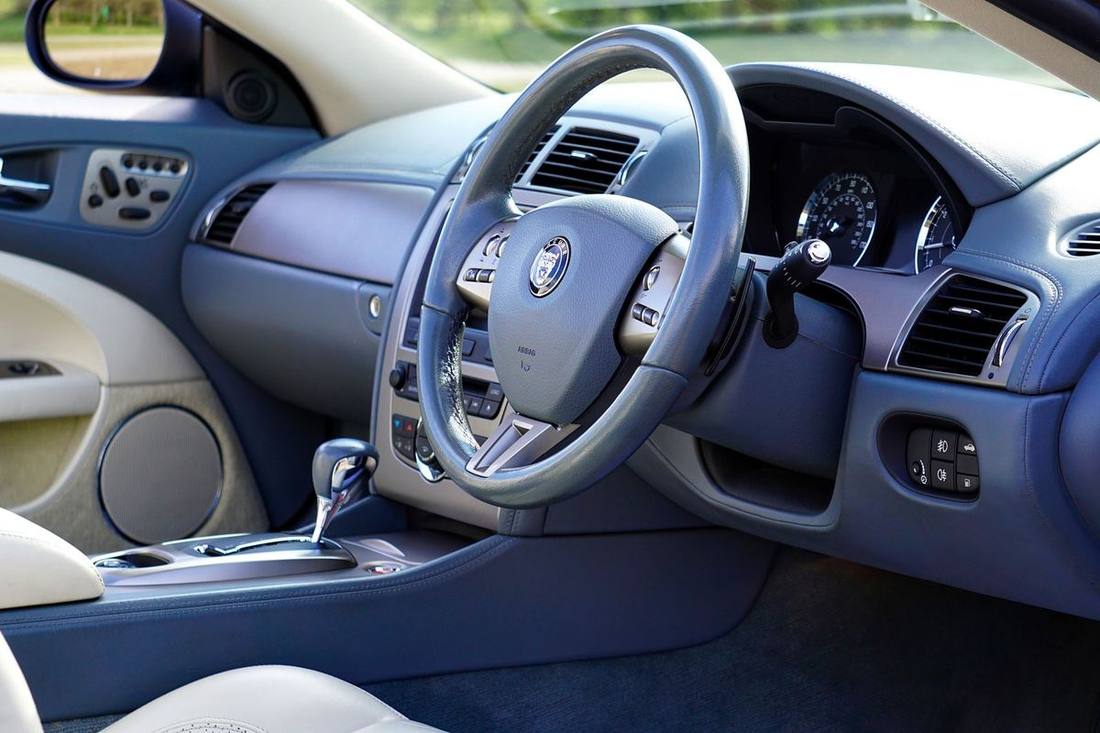
A black car is a late-model full-size sedan (a Cadillac, a Lincoln, a Mercedes E-Class), a premium sedan (an S-Class, a 7 Series), a full-size SUV (an Escalade, a Navigator) or a Mercedes Sprinter in executive configuration, bought or leased new and retired after four or five years or a few hundred thousand kilometres, because the fleet maintenance article explains what a passenger notices in an older car and what the licensing rules allow. The capital cost, the depreciation and the financing are the fare's first component; an SUV costs half again what a sedan does to buy and to run, and a Sprinter more than an SUV, which is the first reason the classes are priced as they are. The fleet page shows the vehicles and the executive sedan vs luxury SUV article the choice.
The chauffeur
A chauffeur is a licensed professional — a City of Toronto vehicle-for-hire driver's licence, a GTAA airport permit, a clean abstract, a background check, first aid, the training the how chauffeurs are vetted article describes — paid for the hours the work takes, which for a Pearson transfer includes the drive to the pickup, the wait, the trip and the return to the yard or the next booking; a forty-minute transfer is two hours of a chauffeur's time. Wages, benefits or contractor rates, the overnight and weekend shifts, and the training are the fare's second component, and the becoming a chauffeur article describes the career.
Commercial insurance
Limousine insurance in Ontario is a commercial fleet policy with liability limits far above a private car's — the limo insurance and licensing article explains what to ask for — and its premium per vehicle per year is the largest fixed cost after the vehicle itself. It is also the cost most often missing from a fare that is too low: an operator running on a private-use policy or an inadequate commercial one is uninsured for what matters, and the passenger finds out after a collision. The limo accident article describes what happens when the insurance is real.
Fuel, tolls and the road
Fuel is the fare's most visible variable cost and the reason some operators add a "fuel surcharge" when prices rise; we do not, because the rate is set to absorb the range. The 407's toll is the one road cost that is passed through, at cost, as a line item approved in advance (the 407 article). Parking at the airport for a pickup (the short-term garage while waiting for a text), the cell lot, the yard's rent and the winter tires that the winter tires article explains are the road's other costs.
The airport permits and the licences
Operating a limousine in Toronto requires a City of Toronto vehicle-for-hire owner's licence and a driver's licence for each chauffeur (the licensing bylaw article explains), and picking up at Pearson requires the GTAA's ground transportation permit for the vehicle and the driver (the GTAA permits article), each with annual fees, inspections and insurance requirements. The permits are a cost and they are also a filter: an operator without them cannot legally pick up at Door A, and a fare that undercuts the market from an operator without airport permits is a fare for a car that will be stopped by the GTAA's enforcement or will meet you in the parking garage.
Dispatch and the system
Someone answers the phone at 3 a.m.; someone watches the flight tracking for four hundred flights a day; someone assigns the roster the evening before; someone texts the passenger whose flight was cancelled; the booking engine, the confirmation emails, the receipts and the account statements run on software that is paid for. The how dispatch works article describes the desk, and its cost is spread across every fare.
From costs to a rate per kilometre
An operator adds the year's costs for a vehicle class — capital, chauffeur hours, insurance, fuel, permits, yard, dispatch's share, margin — and divides by the kilometres the class's vehicles carry passengers in a year, which produces a rate per passenger kilometre; the dead kilometres (to the pickup, back from the drop) are in the numerator, which is why the rate per paid kilometre is several times the cost of driving one's own car the same distance. The airports and the major destinations are then set as zones so that the rate is stable across a neighbourhood, and the flat rate article explains the result.
Why the classes cost what they do
The SUV is about a third more than the sedan because it costs half again to buy, more to fuel and insure, and there are fewer of them in the fleet. The Sprinter is about double the sedan because it is a commercial van in executive trim, costs more than the SUV, carries more, and its chauffeur needs a licence class the sedan's does not. The premium sedan sits between the sedan and the SUV. The stretch limousine and the limo bus are priced by the hour with long minimums because they are booked for occasions of hours, not for transfers; the stretch limousine guide and the limo bus vs Sprinter article explain.
The minimum fare and the hourly minimum
A five-minute trip costs a chauffeur an hour — the drive to the pickup, the wait, the trip, the repositioning — and the minimum fare covers that hour; it is why a short downtown hop costs what it does and why the hourly booking is better value for a night with stops. The hourly minimum (two hours for a sedan, three on Friday and Saturday evenings when the vehicle could have been booked for a wedding, three for a Sprinter, four for a stretch, five for a bus) exists for the same reason: a vehicle and chauffeur committed for an hour cannot be committed to anyone else for the half-day around it, and the hourly vs point-to-point article works the break-even.
What a too-low fare has left out
A fare dramatically below the market has removed one of the components above, and the passenger should know which. Insurance: a private-use policy, or none — the passenger is uninsured. Licensing and permits: an unlicensed vehicle or driver, no airport permit — the car cannot legally be at Door A and the driver has not been vetted. The chauffeur: a driver paid below the market, or a subcontracted stranger the operator has never met — the chauffeur vs driver article explains what is lost. The vehicle: an older car past the licensing age, or a rental. The fare itself: a headline that excludes HST, gratuity, tolls, "airport fees" and waiting, and doubles at the curb — the cheap limo service article collects the patterns. The best limo service article gives the questions that expose each.
Corporate volume and the negotiated schedule
A company that books fifty trips a month lowers the operator's dead kilometres (its trips cluster in time and place) and its dispatch cost per trip, and a negotiated schedule passes some of that back as a percentage off the walk-up fares with monthly invoicing; the corporate car service page and the corporate account billing article explain. The structure does not change; the volume does.
A worked example: one Pearson transfer's cost
A sedan from Leaside to Terminal 1 at 3 p.m.: the chauffeur's time from the yard in the west end to Leaside (35 minutes), the pickup and the trip (45), the return toward the next booking (30) — nearly two hours; 60 kilometres of driving for 27 paid; a share of the day's insurance, the vehicle's depreciation, the permits and dispatch; fuel; the margin. The fare the engine shows is that arithmetic, and it is the same arithmetic at 3 a.m. The taxi stand's flat rate for the same run pays a driver who queued for two hours for it and a vehicle that is older; the rideshare's surge at 5 p.m. pays for the drivers who were not there. The how much does a black car cost article has the ranges and the engine the number.
Cost components quick reference
| Component | Share of the fare | Missing from a too-low fare? |
|---|---|---|
| Vehicle (capital, depreciation, replacement) | Large | Older or rented vehicle |
| Chauffeur (hours incl. dead time, training) | Largest | Underpaid or unvetted driver |
| Commercial insurance | Large fixed | Private policy or none — the critical one |
| Fuel | Variable | "Fuel surcharge" added at the curb |
| Airport permits and municipal licences | Fixed | No permit — cannot legally use Door A |
| Yard, cleaning, maintenance, winter tires | Fixed | Dirty or unsafe vehicle |
| Dispatch and systems | Fixed | Nobody answers at 3 a.m. |
| 407 toll | Pass-through at cost, optional | Charged without asking |
| HST 13% | Shown separately | Omitted from the headline |
The number for your trip
The engine shows the fare that this arithmetic produces for your addresses and class, with HST, before you book; the fares page explains the principle and the what is included article the inclusions.
The airports' own economics: why the stand's fare is what it is
Pearson's taxi and limo stand charges regulated flat fares set by the GTAA, and they are lower than a booked black car's for a reason worth understanding: the stand's drivers queue for hours for a fare — their dead time is spent waiting, not driving — their vehicles are older and cheaper, their permits are the GTAA's alone, and the fare buys a ride with no booking, no tracking, no seat and no choice. It is an honest product at an honest price, and the limo vs taxi article says so; the difference between it and ours is the list of things in the what is included article, each of which has a cost above.
Booking notes on the fare's contents
Three small things. Ask any operator whose fare is far below the market which of the components above they are not paying for; the best limo service article gives the questions. Look at the receipt's lines, not the headline — HST, tolls, gratuity and "fees" are where a low headline becomes a high receipt. And know that our fare is the same arithmetic at 4 a.m. as at 4 p.m.; the flat rate article explains why.
Why the fare rises, and when
Our rates change at most once a year, when the year's insurance renewal, the fleet's replacement cost and the chauffeurs' wages are known, and the change is applied to the engine on a stated date; a booking made before the date at the old rate is honoured at the old rate. There is no mid-year fuel adjustment and no seasonal rate. The fares page states the principle.






