Becoming a chauffeur, in one paragraph
To become a Toronto chauffeur you need an Ontario Class G licence held three years with a clean abstract (no more than the fleet's three active demerits, no at-fault collisions in five years, no suspensions in ten, no impaired or careless conviction ever), a police record check (the City's basic and the fleet's vulnerable-sector), the City's limousine driver's licence with its training course (the Toronto limousine licensing article), clear English (a second language is an asset the fleets pay for), a medical, references and the right to work in Canada; the fleet's hiring is the application, the interview, the two-hour road test and the ninety-day probation (the vetting article); the training is the fleet's programme (the defensive driving article, the child seats, the accessible lift, first aid); the job is the a day in the life article's shifts, splits, Saturdays, airport waits and standing in a suit; the pay is an hourly wage or a fare percentage plus the gratuities, the overtime and the airport waiting — a realistic full-time range on a professional fleet that supports a family, and the owner-operator's higher gross against the vehicle's cost; and the career runs from the sedan roster to the S-Class, the corporate regulars, the senior chauffeur and instructor, the dispatcher, the fleet manager and the owner. The chauffeur vs driver article says what the word means and this article how to earn it.
The fleets are hiring because the work is growing and the standard is high: for every ten applicants who hold a Class G, three pass the abstract and the references, two pass the road test, and one finishes the probation — and that one has a profession. This guide is for the applicant: who does the job, the requirements, the fleet's hiring, the training, the job as it really is, the vehicle, the pay as it really is, the owner-operator's economics, the career ladder, the body and the family, what the fleet looks for, what ends a career, and how to apply — with a worked first year.
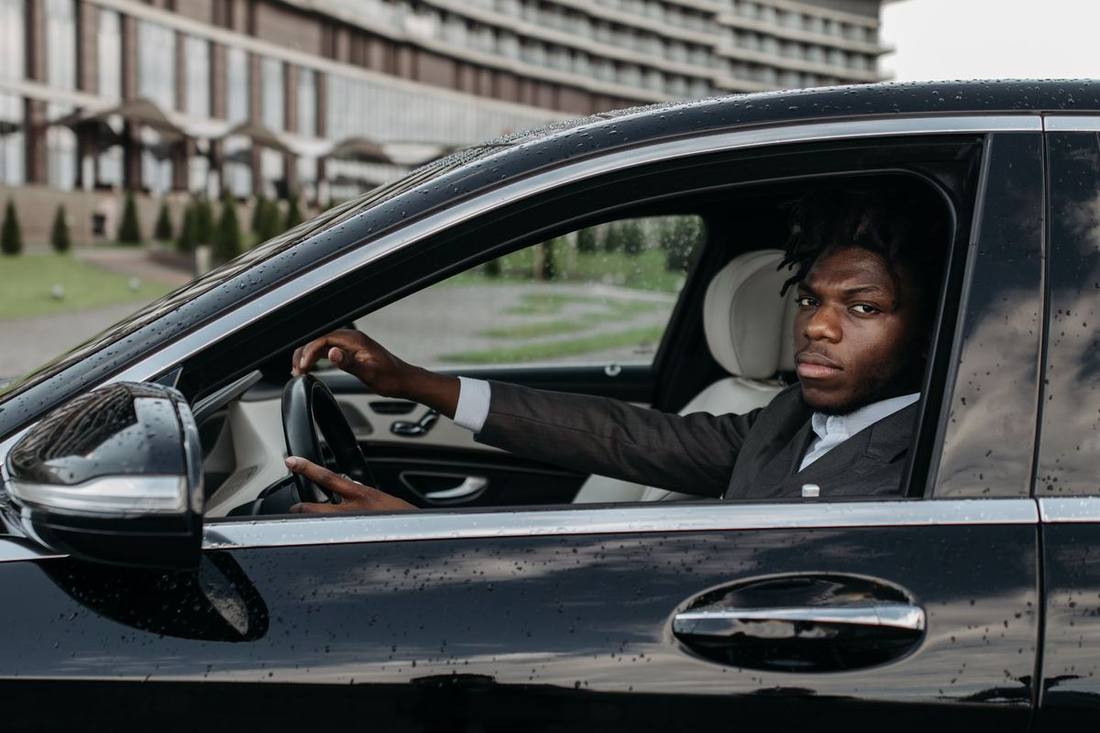
Who does the job
The former taxi drivers who want the pre-arranged trade's predictability and its vehicles; the rideshare drivers who did the math on the platform's take and their own car's wear and want a fleet's vehicle and a fleet's standard; the new Canadians with a professional driving background — the airline crew driver in Lagos, the corporate chauffeur in Mumbai, the coach driver in Manila, the executive driver in Kyiv — whose Class G takes a year and whose standard arrives ready; the retirees from the transit systems, the police, the military and the trades who want a second career with a suit and a schedule; the career changers from hospitality (the doorman, the concierge, the maître d' — the service instinct transfers); and the women the trade is recruiting for the women travelling alone article's passengers and the unaccompanied minors article's parents (the fleets' female rosters have grown and the demand outruns them). The common thread is a temperament: patient, punctual, discreet, unflappable, and happy to be silent.
The requirements
The licence: an Ontario Class G (full — not G1 or G2) held for at least three years (the City's minimum; the fleets prefer ten); a Class F for the larger Sprinters and a C or B for the buses (the Ontario HTA rules article) — the fleet sponsors the upgrade for a chauffeur who wants the bus roster. The abstract: the three-year Ministry abstract for the City and the ten-year for the fleet, with the fleet's limits — three active demerits or fewer, no at-fault collision in five years, no suspension in ten, no impaired, careless, stunt or dangerous conviction ever. The police check: the City's basic record check within the year, and the fleet's vulnerable-sector screening (the vetting article). The City's limousine driver's licence: the application, the fee, the approved training course (accessibility, customer service, the bylaw, safe driving — a day or two, online or in class), the photo licence, the annual renewal (the Toronto limousine licensing article); a 905 fleet's chauffeur holds the municipality's equivalent. The languages: clear spoken English (the passengers, the dispatch radio, the road signs) — and a second language is an asset the fleets actively seek (Mandarin, Cantonese, Punjabi, Hindi, Urdu, Tamil, Farsi, Arabic, Spanish, Portuguese, Italian, Russian, Ukrainian, Korean, French, Tagalog) for the corporate accounts' visiting clients and the South Asian weddings article's families. The medical: the fleet's fitness-to-drive form (and the province's for the bus classes). The references: three, two from employers. The right to work: citizenship, permanent residence or a valid work permit. The age: eighteen for the City; the fleets' insurers prefer twenty-five. The appearance: the suit, the shirts, the shoes — the chauffeur's own, to the fleet's standard.
The fleet's hiring
The vetting article's process from the applicant's side: the online application with the licence, the abstract and the history; the phone screen (the English, the availability, the reasons); the interview with the fleet's manager and a senior chauffeur (the scenarios — "the passenger is sick," "the passenger asks you to run the light," "the passenger is a child alone"); the two-hour road test in a fleet vehicle on the fleet's routes (the Pearson Door A, the Financial District's porte-cochères, the King Street corridor, the Gardiner's merge, a Yorkville parallel park, and the coffee on the console — scored); the references called; the offer; and the ninety-day probation on the easier bookings with a senior chauffeur's ride-along and dispatch's watch. A candidate who arrives with the City's licence already in hand, a defensive driving certificate and a reference from a hospitality employer is at the front of the line.
The training
The fleet's onboarding (three to five days, paid): the defensive driving article's classroom day and the closed-course day, the passenger service module (the greeting, the door, the bags, the seat, the question, the silence, the farewell — the what to expect on a first ride article from the other side), the city module (the porte-cochères, the lay-bys, the no-stopping corridors, the arenas' drops, the halls' shuttle lanes — driven, not read), the airport module (the Terminal 1 vs Terminal 3 article's doors, the meet and greet, the GTAA permit's lot and lanes, the Billy Bishop tunnel, the FBOs), the child seat certification, the accessible lift and transfer training, the first aid and CPR, the privacy and the women-alone conduct modules, the incident protocol, the dispatch app and the telematics, the vehicle cleaning article's reset, and the corporate accounts' own modules; then the annual refresh.
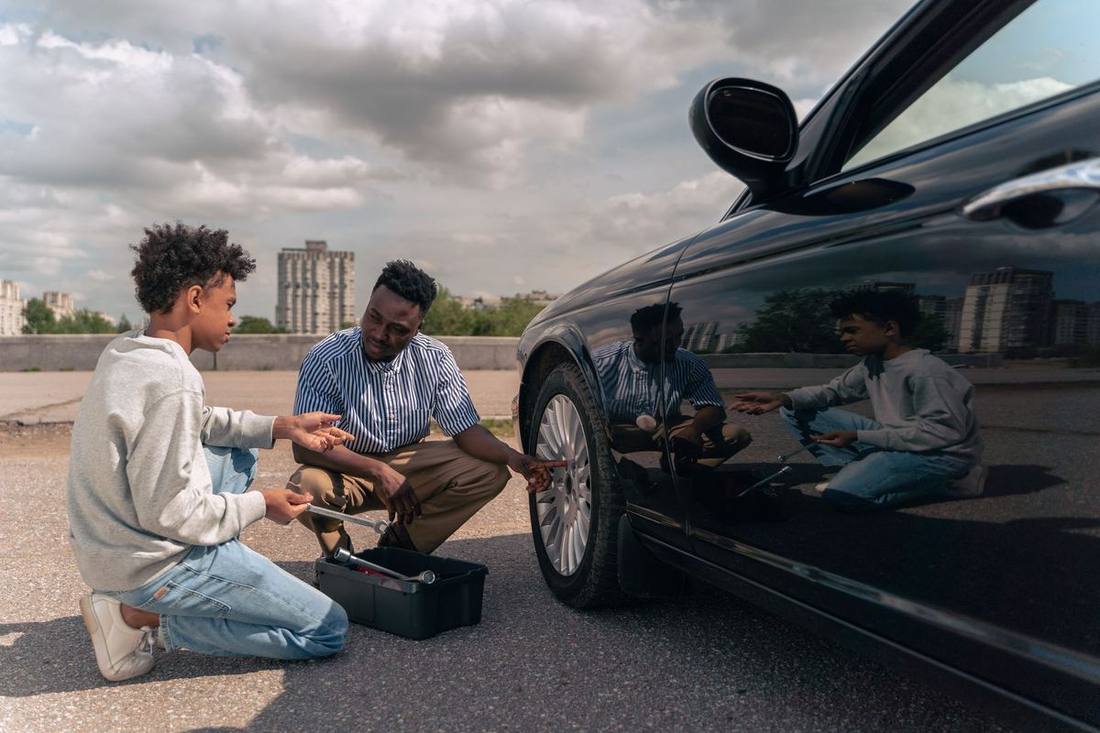
The job as it really is
The a day in the life article's day: the 4:15 alarm on the early shift and the 1 a.m. finish on the late; the split shift's gap; the Saturdays (the weddings, the proms, the stags — the trade's busiest day and the chauffeur's most-worked); the Sundays that are lighter; the airport waits in the commercial lot (an hour, two, three — paid on a professional fleet); the standing at the door in the rain and the cold; the suit every day; the silence for hours; the passenger who is kind and the one who is not; the traffic; the rush hour; the winter (the winter driving article's 5 a.m. after a storm); the meals standing beside the car; the phone on the mount and never in the hand; the telematics score on the board; the regulars who ask for you; the child who says hello; the couple who saw the colours. It is a service job with a driving component, not a driving job with a service component, and the applicants who understand that stay.
The vehicle
The fleet's vehicle: most Toronto chauffeurs drive the fleet's — the S-Class, the Escalade, the Sprinter — assigned by the shift and the roster (the smoothness score earns the S-Class), maintained and insured by the fleet (the fleet maintenance article), washed by the depot, and handed over at the shift change. The owner-operator's: some fleets contract owner-operators who supply their own vehicle to the fleet's standard (the class, the age under five years, the colour, the inspection, the winter tires, the insurance endorsement naming the fleet) and drive under the fleet's dispatch, licence and rules — the limousine network's affiliates and the 905's fleets work this way — with the economics below.
The pay as it really is
The fleets pay one of two ways: an hourly wage (the employee model — a base above Ontario's minimum wage with the shift premiums, the overtime after the shift's hours, the airport waiting paid at the wage, the gratuities passed through in full, the benefits on the larger fleets) or a percentage of the fare (the commission model — 35 to 45 percent of the fare on most fleets, the gratuities in full, the airport waiting at a rate); either way the gratuity set at booking (15 to 20 percent on most trips) is the chauffeur's and the cash on top is the chauffeur's. A full-time chauffeur on a professional Toronto fleet — five shifts a week, the Saturdays, the airport runs, the corporate regulars — earns a realistic annual range in the mid-five figures to the low six figures depending on the fleet, the shifts, the regulars and the gratuities, before the owner-operator's vehicle costs; the Ontario Job Bank publishes the wage range for the occupation and the fleets' postings state theirs. It is a living that supports a family in the GTA with the long days as the price, and the chauffeurs who earn the top of the range are the ones on the S-Class roster with the corporate regulars who ask for them.
The owner-operator's economics
The owner-operator grosses more (a higher percentage of the fare — 60 to 70 percent — because the vehicle is theirs) and carries the vehicle: the purchase or the lease of a $130,000 to $150,000 vehicle (the fleet maintenance article's $45,000 to $55,000 a year to keep it to the standard — the depreciation, the insurance at the commercial rate, the tires, the brakes, the maintenance, the detailing, the licence and the inspections), the fuel, and the risk of the road call; the arithmetic works for a chauffeur with the capital, the discipline and the regulars, and does not for one without, and the cheap limo service article describes the owner-operator who cut the standard to make it work. A new chauffeur starts on the fleet's vehicle and moves to owner-operator after the regulars are built, if at all.
The career
Year one: the probation, the sedan roster, the airport runs and the transfers, the smoothness score built. Years two to five: the SUV and the S-Class roster, the corporate accounts' regulars who ask by name, the minors-cleared roster, the TIFF and the private aviation bookings, the Class F for the Sprinter. Years five to ten: the senior chauffeur — the road tests, the ride-alongs, the instructor's certification, the new chauffeurs' mentor; the Sprinter guide's and the limo bus article's Class C for the buses. Beyond: the dispatcher (the map, the manifest, the fleet's brain — the a day in the life article's voice on the radio), the fleet manager (the roster, the vehicles, the accounts), the operations director, the owner of an affiliate in the network — or the private household chauffeur on a retainer (the chauffeur vs driver article's original job). The trade promotes from the road.
The body and the family
The back (the seat's lumbar, the walk at every wait, the stretches), the eyes (the night driving, the exam), the weight (the standing meals, the thermos), the sleep (the split shift's discipline, the day off's length), the stress (the traffic, the passenger who is not kind, the defensive driving article's fatigue self-assessment); the family that sees the chauffeur at breakfast or at dinner and not both, the Saturdays worked and the Sundays kept, the spouse who reads the manifest by the alarm; and the fleets that have learned to roster for it — the fixed shift patterns, the requested days off honoured, the a day in the life article's Sunday.
What the fleet looks for
Punctuality (the single disqualifier on probation — a chauffeur who is late once is warned and twice is gone); temperament (calm in the rush hour, silent for hours, kind to the passenger who is not); discretion (the privacy and discretion article's rule kept without being told); appearance (the suit pressed, the shoes polished, the car spotless — the vehicle cleaning article's reset done without reminding); the driving (smooth, unhurried, the coffee level — the telematics score); the city (learned by driving it — the applicant who knows the Financial District's porte-cochères at the interview); the service instinct (the door, the bags, the umbrella, the anticipation — the hospitality background); the languages; the honesty (the abstract, the history, the references — a gap explained beats a gap hidden); and the reason ("I want a profession" beats "I need a job").
What ends a career
The vetting article's disqualifiers after hiring: an impaired, careless, stunt or dangerous conviction; an at-fault collision with injury; the demerits over the fleet's limit; a failure to report a charge or a collision within 24 hours; a positive test; a privacy breach (the photograph, the gossip, the disclosed record); a conduct breach with a passenger (the personal question, the comment, the number); a minors' protocol breach; a detour or a stop against the booking; a passenger's money or item taken; a second lateness on probation or a pattern after; a hand-held phone on the telematics; the smoking in the vehicle; and a lie on the application discovered later. The trade is small and the fleets talk.
How to apply
The fleets post on their own sites, the Ontario Job Bank, the industry associations' boards and the limousine network's affiliates' pages; the application asks for the licence, the abstract (order it from ServiceOntario before applying — it is $12 and takes a day), the City's licence if held (apply for it first if you can — the City's page has the course and the fee), the record check (the Toronto Police Service's online application — a week), the work history, the languages, the availability and the references; a covering note that says why the profession and not just the job; and the interview in the suit. A candidate who arrives with the abstract, the check and the City's licence in hand starts the probation a month sooner.
A worked first year
An applicant in March — a hotel doorman of eight years, a Class G of fourteen years, one demerit from 2023, Tagalog and English, the City's licence obtained in February on his own initiative: the application, the phone screen, the interview (the scenarios answered as a doorman would — the door first), the road test (91 — the Gardiner merge smooth, the Yorkville park on the second attempt), the references (the hotel's front office manager: "the guests will miss him"), the offer, the five days of onboarding, the probation on the airport runs from April. June: the first corporate account's regular asks for him by name (a Filipino-Canadian executive who heard the Tagalog). July: the probation review — 340 trips, zero lates, three commendations — and the SUV roster. September: the minors module and a school run for the term. November: the defensive driving article's skid day. December: the corporate holiday party season's Saturdays and the gratuities that paid for the family's January. February: the annual review — the smoothness score in the top quartile, the S-Class roster from March, a second corporate regular, and the fleet's sponsorship of the Class F for the Sprinter. One year, one profession, one doorman who now opens a different door.
Becoming a chauffeur quick reference
| Element | Detail |
|---|---|
| Licence | Class G held 3+ yr (fleets prefer 10); F for large Sprinters; C / B for buses (fleet-sponsored) |
| Abstract | ≤ 3 active demerits; no at-fault collision in 5 yr; no suspension in 10; no impaired / careless / stunt / dangerous ever |
| Checks | The City's basic record check; the fleet's vulnerable-sector screening; the medical; three references |
| City licence | The application, the fee, the approved course (a day or two), the photo licence, the annual renewal |
| Languages | Clear English; a second language actively sought |
| Hiring | Application → phone screen → interview (the scenarios) → 2-h scored road test → references → offer → 90-day probation |
| Training | 3–5 paid days: defensive driving (classroom + closed course); service; the city; the airports; child seats; the lift; first aid; privacy; incident; the app; then annual |
| The job | Early or late shifts; the split; Saturdays; airport waits (paid); the standing; the suit; the silence; the telematics score |
| Pay | Hourly wage (+ overtime, waiting, benefits) or 35–45% of the fare; gratuities (15–20% + cash) in full; a mid-five- to low-six-figure full-time range on a professional fleet |
| Owner-operator | 60–70% of the fare against $45,000–$55,000 / yr to keep the vehicle to the standard; for the chauffeur with capital and regulars |
| Career | Sedan → SUV / S-Class → corporate regulars → minors roster → senior chauffeur / instructor → dispatcher → fleet manager → owner / affiliate |
| Ends it | A serious conviction; an at-fault injury collision; demerits; a failure to report; a positive test; a privacy, conduct or minors breach; a detour; a theft; lateness; a phone in the hand; smoking; a lie found |
| Apply | The fleets' sites, the Job Bank, the associations, the network's affiliates — with the abstract, the check and the City's licence already in hand |
Applying
The network page lists the affiliates; the fleet's own careers page takes the application; the book page's dispatch number reaches the office for a candidate who wants to ask a question first. Bring the abstract, the check, the City's licence and the reason.






