Black car service and the environment, in one paragraph
A Toronto black car's footprint is a full-size vehicle's over 60,000 to 80,000 kilometres a year — and a professional fleet works it down: Toronto's Idling Control bylaw (one minute in sixty, with the temperature exceptions) kept as a practice of the engine off at every wait; the dispatcher's routing that pairs the outbound and the return, fills the empty leg and uses the airport's commercial lot instead of cruising; the fleet's transition — the hybrids (hybrid and electric article) that cut fuel by a third, the EVs that cut the tailpipe to zero, the Escalade IQ and the EQS SUV arriving for the bookings that need the room, the depot's chargers; the vehicles' efficiency (the mild hybrids, the cylinder deactivation, the ceramic coatings, the tire pressures); the driving (the defensive driving article's smoothness score saves 10 to 15 percent of fuel); and the corporate client's reporting (the trip's emissions on the statement, the Scope 3 figure, "EV where available" on the account). Against the passenger's alternatives — a private car's parking trip, a taxi's cruising, a rideshare's deadheading — a pre-arranged black car with a paired return is often the lower-emission chauffeured choice, and the honest accounting says so and no more.
The trade's honest position is that it moves people in large vehicles and that the passenger who chose it wanted the vehicle — and that within that choice there is a great deal to be done, and the professional fleets do it because the fuel bill, the idling fines, the corporate accounts' sustainability questionnaires and the chauffeurs' own preferences all point the same way. This guide covers the footprint and the comparison, the idling bylaw and the practice, the routing, the transition, the vehicles' efficiency, the driving, the corporate reporting, the offsets, the rules as they arrive, the honest accounting, and a worked day's emissions.
The footprint, and the comparison
A fleet Escalade on the V8 at 13 litres per hundred kilometres over 70,000 kilometres burns about 9,100 litres a year and emits about 21 tonnes of CO2; a fleet S-Class mild hybrid at 9 litres burns 6,300 and emits 15; a Lexus ES hybrid at 5 litres burns 3,500 and emits 8; an EQS or a Model S on Ontario's grid (about 30 grams of CO2 per kilowatt-hour — the province's nuclear and hydro mix) at 20 kilowatt-hours per hundred uses 14,000 kilowatt-hours and emits under half a tonne. The comparison a passenger should make is not with staying home but with the alternatives for the same trip: a private car driven to the airport and parked for a week (the same kilometres plus the parking's land), a taxi that cruised for a fare before and after (the taxi's empty kilometres are 30 to 50 percent of its total), a rideshare that deadheaded to the pickup and away from the drop (the platforms' own studies put the empty share at 35 to 45 percent), a black car dispatched from the depot or the previous drop with the return paired (the fleet's empty share is 15 to 25 percent on a well-run dispatch); per passenger-kilometre actually travelled, the pre-arranged black car is competitive with the alternatives and the hybrid and the EV versions beat them. The Pearson limo vs UP Express vs taxi article puts the train first for the solo passenger who can use it.
The idling bylaw, and the practice
Toronto's Idling Control bylaw (Municipal Code Chapter 517): no idling for more than one minute in a sixty-minute period, with exceptions when the outside temperature is below 5 degrees or above 27 (the passenger's heating and cooling), for the traffic, the emergency vehicles, the vehicles whose engines power equipment, and the vehicle being serviced; the fine is $130 and the bylaw officers watch the hotels' doors and the airport's curbs. The fleet's practice goes past the bylaw: the engine off at every wait — the lay-by, the side street, the commercial lot, the porte-cochère while the doorman fetches the passenger — with the auto stop-start systems on the newer vehicles doing it at every light; the hybrid and electric article's EVs and plug-ins heating and cooling the cabin on the battery at the curb (no engine, no exception needed); the gas vehicles' pre-conditioning limited to the five minutes before a winter pickup; the a day in the life article's three-hour dinner wait on Wellington with the engine off and the chauffeur's coat on; and the telematics' idling report reviewed weekly with the smoothness score. Mississauga, Vaughan, Markham and the rest have their own bylaws and the cities pages note them.
The routing
The dispatcher's job is the fleet's largest environmental lever: the pairing (the Pearson drop at 6:04 becomes the Pearson pickup at 8:30 with the chauffeur in the lot between — no empty run back to the city and out again), the chaining (the Mississauga drop at 4:40 becomes the Mississauga pickup at 5:05), the positioning (the vehicle that ends a run in Yorkville takes the next Yorkville booking, not the one in Scarborough), the hourly's efficiency (one vehicle and one chauffeur for a day's four stops rather than four transfers with four empty legs — the hourly vs point-to-point article), the group vehicles (a Sprinter for twelve against three SUVs — the limo bus article's arithmetic is also the emissions'), the route choice (the 407's steady 110 burns less than the 401's stop-and-go for the same distance; the rush hour article's alternatives that keep the vehicle moving), and the depot's location (the east-end depot for the east-end runs, the affiliate in the west — the network). A fleet with a good dispatcher runs 15 to 25 percent empty; a rideshare runs 40.
The fleet's transition
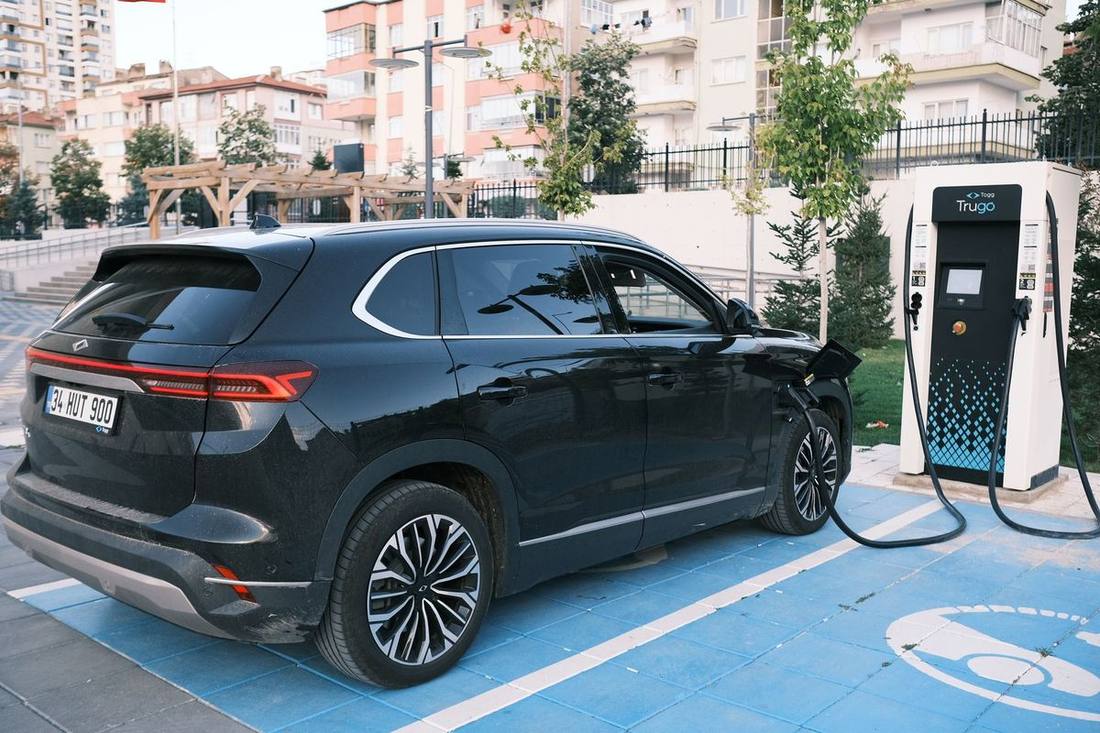
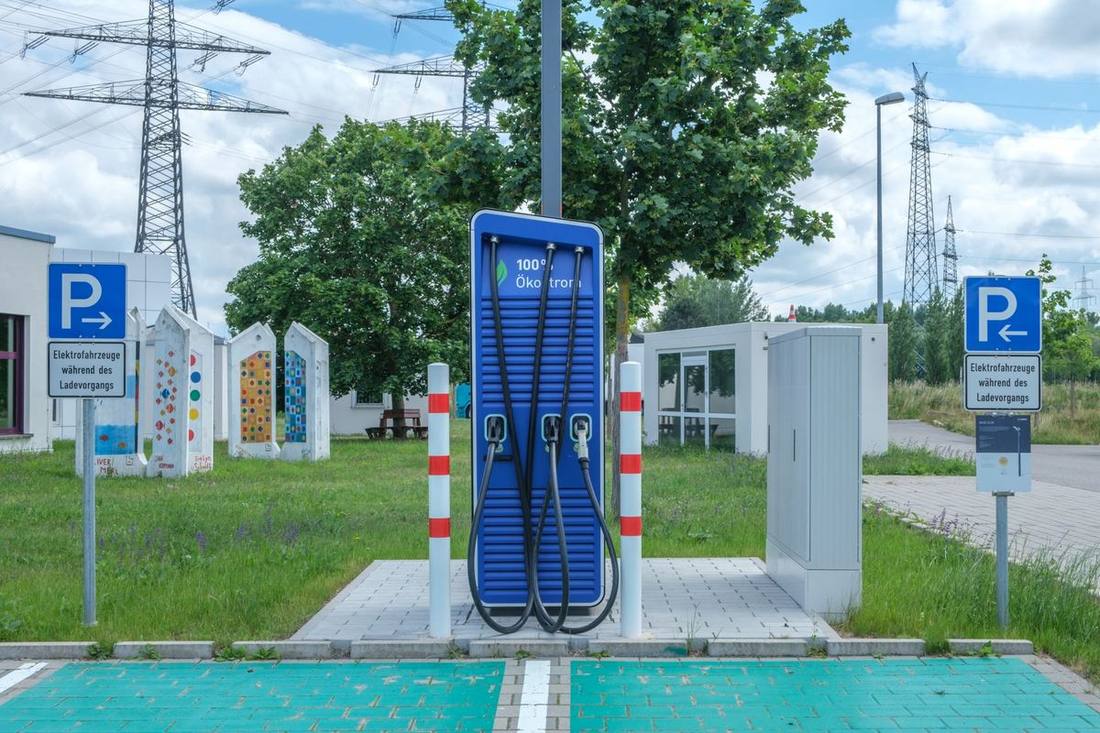
The hybrid and electric article has the vehicles and the winter range; the transition's shape: the hybrids first (every fleet — the Lexus ES and LS hybrids as the workhorses, the Sienna hybrid vans, the S 580e plug-in) cutting the sedan fleet's fuel by a third with no change for the passenger; the EVs next (the larger fleets — the Model S and X, the EQS sedan and SUV, the i7, the Lyriq) for the downtown and the airport work where the range is no question, charged at the depot overnight on off-peak power and topped up at the Superchargers and the airport's Level 2; the SUV-sized EVs arriving (the Escalade IQ, the EQS SUV, the Model X) for the corporate and the family bookings that need the room; the depot's chargers (the Level 2 at every bay, the DC fast for the midday top-up, the solar on some fleets' roofs); and the gas vehicles kept for the long-distance and the storm-day work until the range and the charging catch up. The fleet page shows where this fleet is.
The vehicles' efficiency
Within the gas fleet: the mild-hybrid 48-volt systems on the S-Class and the newer Escalades (the engine off at the light, the electric assist on the launch), the cylinder deactivation on the V8s at cruise, the ten-speed automatics, the auto stop-start, the low-rolling-resistance tires where the winter tires article's standard allows, the tire pressures checked weekly (a tire 5 psi low costs 2 percent of fuel), the ceramic coatings that cut the vehicle cleaning article's wash water, the fleet maintenance article's severe-service schedule that keeps the engine at its rated economy, the roof racks off, and the luggage capacity article's right-sizing (a sedan for one passenger and a bag, not an SUV).
The driving
The defensive driving article's smoothness — the squeezed throttle, the early lift, the gap that lets the vehicle coast to the light instead of braking, the speed for the conditions and not the traffic's — saves 10 to 15 percent of fuel on the same route, and the telematics score that decides who drives the S-Class is also the fleet's fuel report; a chauffeur in the top quartile burns measurably less than one in the bottom, and the fleets know it to the litre.
The corporate client's reporting
The corporate account billing article's statement carries, on request and increasingly by default, each trip's vehicle, its distance, its fuel or energy and its emissions (the tailpipe figure for the gas vehicles from the Natural Resources Canada ratings; zero tailpipe and the grid figure for the EVs), summed monthly and annually for the client's Scope 3 (business travel) reporting; the duty of care article's questionnaire has a sustainability section (the fleet's EV share, the idling policy, the routing, the offsets, the targets) that the corporate car service page's RFP answers; and the account's "EV where available" setting puts the EV on every run the range allows and the hybrid on the rest, with the statement showing which.
The offsets
Some fleets offer a per-trip carbon offset — a small charge or an absorbed cost that funds a certified project (the Canadian and the international registries — Gold Standard, Verra) — as an option on the account or the booking; it is not a substitute for the fleet's own reduction and the honest fleets say so, but it is a line the corporate client's sustainability team asks for and the what is included article notes where it appears on the receipt.
The rules as they arrive
Toronto's Vehicle-for-Hire bylaw has been amended to phase in zero-emission requirements for the taxi and PTC fleets on a timetable (the City's TransformTO climate plan targets and the bylaw's licensing conditions — the City's page has the current dates and the limousine class's treatment), the province's green-plate HOV access and its charging infrastructure programmes apply, the federal zero-emission vehicle sales mandate shapes what the fleets can buy from 2026 onward, the airport's ground transportation programme has its own EV incentives for the queue fleet, and the Toronto limousine licensing article will carry the limousine class's requirements as the City sets them; a professional fleet is ahead of the timetable because the corporate accounts asked first.
The honest accounting
A black car is not a bicycle; a passenger who can take the UP Express alone with a carry-on should, and the trade says so; the passenger who needs the vehicle — the bags, the family, the group, the client, the hour, the safety, the winter — gets a fleet that has cut the idling to the bylaw's floor, paired the trips, moved a third of the sedans to hybrids and the downtown work to EVs, right-sized the vehicle, driven it smoothly and reported the figure; the numbers are on the statement and the fleet does not round them; and the what makes a car a black car article's definition is getting a clause about the tailpipe.
A worked day's emissions
The a day in the life article's Tuesday in the S-Class mild hybrid: 296 kilometres, eleven trips, the empty share 18 percent (the Pearson pairings, the Mississauga chain, the King West positioning), 27 litres at 9.1 per hundred (the top-quartile smoothness), zero idling minutes over the bylaw's limit (the engine off at eight waits), about 63 kilograms of CO2 for the day. The same day in the fleet's EQS 580: 296 kilometres, 62 kilowatt-hours at 21 per hundred (the January figure would be 28), the 25-minute Supercharger stop, about 2 kilograms of CO2 on Ontario's grid. The same eleven passengers by rideshare with the platforms' deadheading: about 400 kilometres driven for the 243 the passengers travelled, in eleven different vehicles of mixed efficiency, about 75 kilograms. The statement for the corporate account's four trips that day showed the four figures.
Environment quick reference
| Lever | The fleet's practice |
|---|---|
| Idling | Toronto's 1-in-60 bylaw as the floor; the engine off at every wait; stop-start; EVs heat and cool on the battery; 5-min winter pre-condition; the weekly idling report |
| Routing | Airport pairings via the commercial lot; chaining; positioning; the hourly over four transfers; the Sprinter over three SUVs; the 407's steady speed; 15–25% empty vs a rideshare's ~40% |
| Transition | Hybrids across the sedan fleet (−1/3 fuel); EVs for downtown and airport work; SUV-sized EVs arriving; depot chargers on off-peak; gas for long-distance and storm days |
| Vehicles | Mild hybrids; cylinder deactivation; stop-start; tire pressures weekly; ceramic coatings; severe-service maintenance; right-sizing |
| Driving | The smoothness score: −10–15% fuel in the top quartile |
| Reporting | Per-trip vehicle, distance, fuel / energy and CO2 on the statement; Scope 3 totals; "EV where available"; the RFP's sustainability section |
| Offsets | Optional certified offsets on the account; not a substitute for reduction |
| Rules | The City's zero-emission phase-in for vehicles-for-hire; the green plates; the federal sales mandate; the airport's incentives |
| Comparison | Per passenger-km: a paired black car ≈ or < a private car's parking trip, a cruising taxi or a deadheading rideshare; the hybrid and EV versions beat them; the train wins for the solo carry-on passenger |
Booking the lower-emission option
The engine's notes take "EV preferred" and dispatch assigns it where the range allows; the corporate car service page's account sets "EV where available" and receives the emissions on the statement; the fleet page shows the hybrids and the EVs. Ask for the figure; it is on the receipt.






