For one passenger, honestly
For one passenger a black car costs more than the alternatives on most trips: from Pearson to the Financial District at rush hour the UP Express ($12, 25 minutes) wins outright; a downtown hop hailed on the street is a taxi's minimum; a quiet-hour rideshare undercuts the sedan fare. The black car is worth it for one when the trip is to or from an airport before 7 a.m. or after 10 p.m., when the destination is in the 905 or off the rail line, when the passenger is working in the car and the hour is billable, when it is a woman alone at night or anyone who values a named chauffeur and a plate on a text, when the trip is on a corporate account with a receipt, when there is luggage beyond a carry-on, or when the alternatives are surging or absent. For a solo traveller with a carry-on at a good hour on the rail line, we say take the train.
Most of what makes a black car good value — one fare for a family, one Sprinter for a group, the seats for the children — does not apply to a single passenger with a bag. The single traveller is paying the whole fare for a seat, and the comparison to the alternatives is starkest. This article does that comparison honestly, trip by trip: the airport at each hour, the downtown hop, the 905, the night out, the day of meetings; against the UP Express, the taxi stand, the rideshare and the subway; and then it lists the things that are not in the fare arithmetic — the hour, the certainty, the work, the safety, the receipt, the luggage — and when they tip it. It ends with the cases where a single traveller should take the train, said plainly, because the credibility of the rest depends on it.
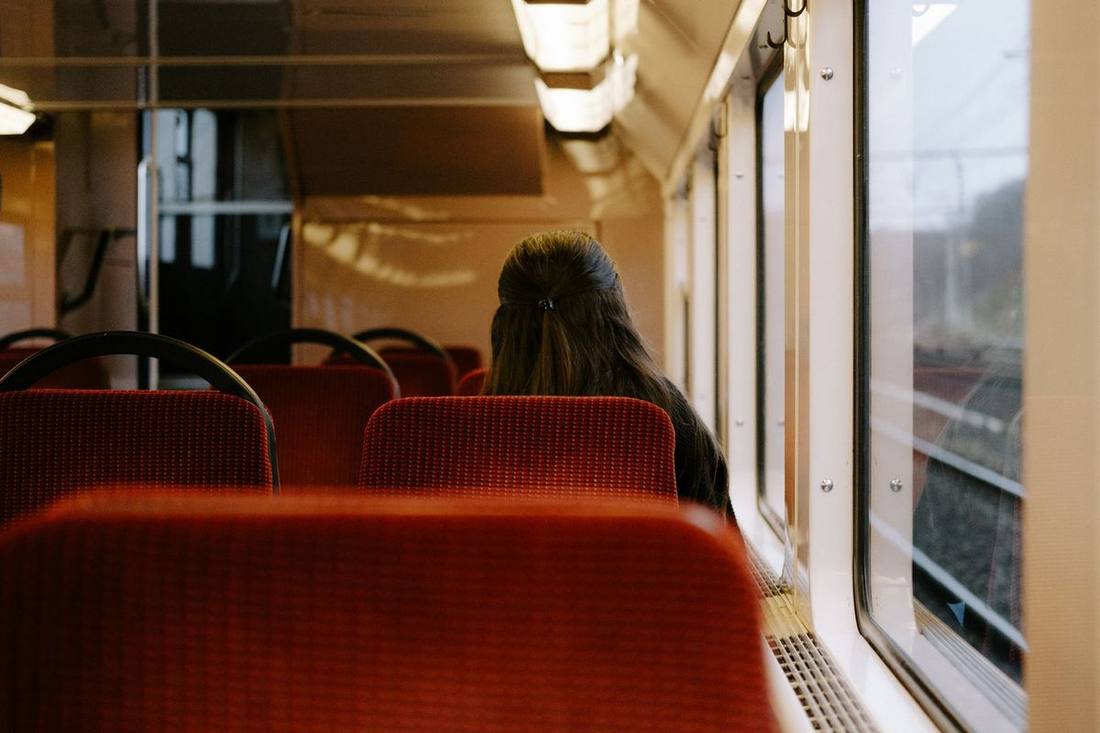
The airport at 8 a.m.: take the train
Terminal 1 to Bay and King, one passenger, a carry-on, 8 a.m. on a weekday: the UP Express leaves every fifteen minutes, takes twenty-five, costs about $12 with a Presto card, and puts the passenger in the PATH at Union ten minutes from most towers — forty to forty-five minutes door to door. The black car sedan is in the Gardiner's morning crawl for forty-five to seventy-five at a fare several times the train's. The train wins on time and money and we say so; the UP Express comparison has the full table.
The airport at 5 a.m.: the black car
The same passenger's 7 a.m. departure needs a 5 a.m. pickup from Rosedale. The UP Express's first train from Union is around 5:30 and the passenger is not at Union; the subway is not running; a taxi called the night before may or may not come; the rideshare app at 4:50 shows a surge and a driver eleven minutes away. The black car's chauffeur was assigned the evening before and is in the driveway at 4:55 with a text; the fare is the same fixed fare as at noon; the red-eye article describes the shift. For one passenger at that hour, the black car is not a luxury; it is the option that exists.
The airport at 11 p.m.: the black car, narrowly
A solo arrival at Terminal 3 at 11 p.m. bound for Leslieville: the UP Express runs until about 1 a.m. but is at Terminal 1 (the Terminal Link first) and Union is a taxi from Leslieville; the taxi stand's queue at 11 is long and its zone fare to the east end is close to the black car's sedan fare; the rideshare is surging. The black car is at Door A on the text, tracked the flight, and costs a little more than the taxi would after the queue and the tip. Narrowly the black car; a passenger who does not mind the queue takes the taxi.
The downtown hop: the taxi or the app
Queen West to King West at 7 p.m. for one person: hail a taxi, or open the app — the meter's minimum or the app's quiet-hour fare is below a black car's minimum fare, and the car is there now. The black car's minimum exists because a five-minute trip costs a chauffeur an hour of positioning (the what drives the fare article explains), and for one passenger on a spontaneous short hop it is money spent on nothing. The limo vs taxi comparison says so.
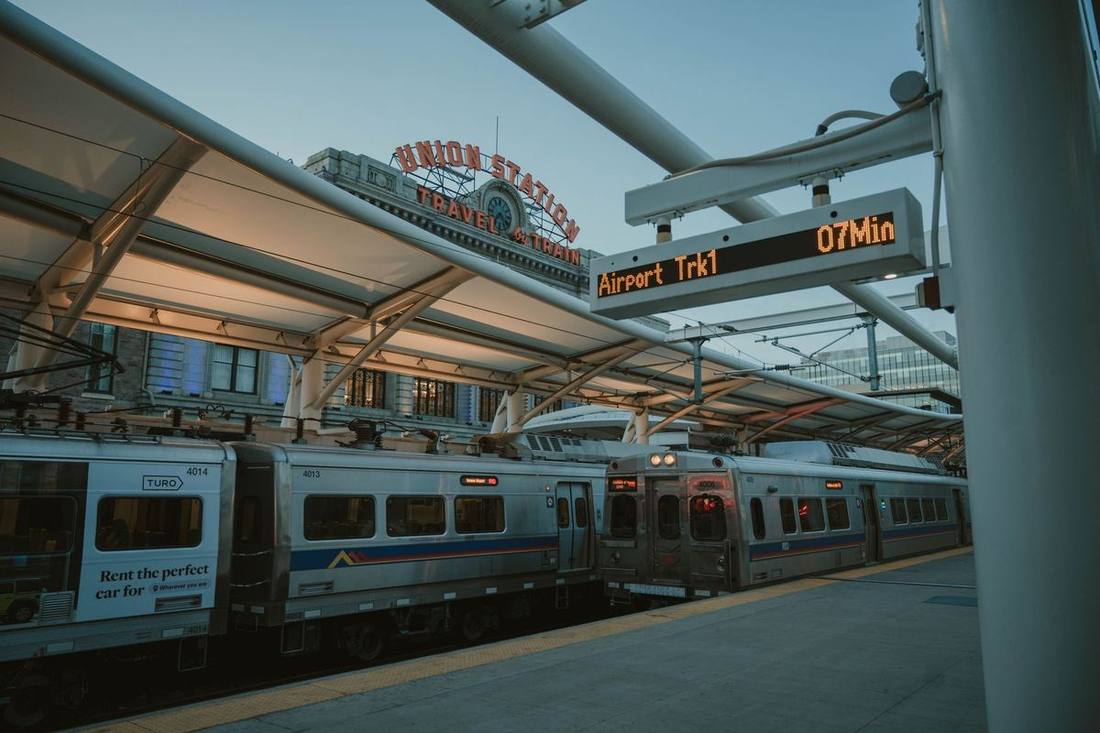
The 905: the black car
One passenger from Pearson to Unionville, or from Oakville to a Bay Street meeting, or from Pickering to Yorkville for dinner: the train does not go there (GO does, slowly and not to the door), the taxi's zone fare from the airport is close to the black car's and its availability in the 905 at odd hours is poor, and the rideshare's fare across the city at a peak is a surge. The black car's fixed fare with the 407 as an option, the chauffeur assigned in advance, and the Markham, Oakville and Pickering guides' routes make it the sensible choice for one; the Pearson to the north-east article has the timings.
The day of meetings: the black car, by a mile
A visiting executive alone with four meetings across the city and a flight at 5: the alternatives are four rideshares with four waits and a bag carried into every lobby, or the subway with the bag; the black car is an hourly booking with one chauffeur, the bag in the trunk, and the car outside each building when the meeting ends. For one passenger whose hour is billable, the hourly rate is cheaper than the hour lost; the hourly vs point-to-point article and the executive car service article work it.
The night out alone: it depends
A single passenger to a concert at Scotiabank Arena and home to the Annex: the subway is honest both ways and the crowd is the crowd; a rideshare after the final buzzer is a surge and a twenty-minute wait; a black car on an hourly is a chauffeur on a named side street at the buzzer and a fare that, for one, is the evening's largest expense after the ticket. It depends on what the evening is worth and how the passenger feels about the crowd at midnight; the Scotiabank Arena guide has the pickup and the women travelling alone article the safety case that tips it for many.
Working in the car
A passenger who bills by the hour, or who has forty minutes of calls and email between the airport and the office, is buying a quiet, private, connected workspace for the length of the trip; the train has Wi-Fi and a table and other people, the taxi has neither Wi-Fi nor quiet, and the black car has both and a chauffeur who says nothing. The in-car amenities article lists what is aboard; for a lawyer at $600 an hour the fare is recovered in the first ten minutes of the Gardiner.
Certainty and the named chauffeur
A single traveller with a flight to catch, a meeting to make or a child to collect values a car that is certainly there — a chauffeur assigned the evening before, a name and a plate on a text, a fare fixed in advance — more than the fare difference; the alternatives are probably there, at a probable price. The how early to book article and the what to expect article describe what certainty looks like.
Safety alone at night
A woman alone at 1 a.m. at Pearson, or anyone alone leaving a late event, weighs the taxi queue, the rideshare's stranger and the walk from the train against a chauffeur whose name and plate match the text, who is vetted and known to the company, and who waits at the curb until the door closes; the women travelling alone article and the passenger safety article describe the standard, and for many solo travellers it decides the question by itself.
The receipt and the account
A business traveller alone whose company pays needs a receipt with HST and, often, a policy-compliant vendor; the train's Presto record and the taxi's slip are a nuisance to expense and the black car's itemised receipt on a corporate account is not, as the expense reports article explains. Many companies specify the booked car for airport transfers regardless of the fare, for the duty of care reasons.
Luggage beyond a carry-on
Two checked bags and a carry-on for one passenger: the train's racks take them and the walk through Union with them is a chore; the taxi takes them; the black car's chauffeur loads and unloads them and carries them to the door. It is a small thing that becomes a large one after a fourteen-hour flight, and the luggage capacity article notes that a single passenger with a lot of luggage is an SUV's passenger, not a sedan's.
When the alternatives are surging or absent
New Year's Eve, the Friday of March break, a snowstorm's afternoon, the last UP Express gone, a TIFF night on King Street: the rideshare surges, the taxi queue is an hour, the train has stopped, and the black car booked yesterday is the same fare it always was. For one passenger on those days the arithmetic is not close, and the winter storm article and the New Year's Eve article describe them.
When a single traveller should take the train
To be plain: a solo passenger with a carry-on, between Pearson's Terminal 1 and downtown, between 6 a.m. and midnight, bound for anywhere within a ten-minute walk of Union or the Bloor and Weston stations, with no billable hour, no luggage and no particular need for certainty — should take the UP Express and keep the difference. A solo passenger on a spontaneous downtown hop at a quiet hour should hail a taxi or open the app. We say so because a passenger who takes our advice on those trips trusts it on the others.
Solo traveller quick reference
| Trip, one passenger | Best choice | Why |
|---|---|---|
| Pearson T1 ↔ Financial District, 6 a.m.–midnight, carry-on | UP Express | $12, 25 min, no traffic |
| Pearson ↔ home, before 7 a.m. or after 11 p.m. | Black car | Assigned in advance; alternatives absent or surging |
| Pearson T3 ↔ east end, 11 p.m. | Black car, narrowly | Taxi queue and zone fare close; car tracked the flight |
| Downtown hop, spontaneous, quiet hour | Taxi or app | Below the black car's minimum; there now |
| Pearson ↔ the 905 | Black car | No rail; fixed fare with the 407 option |
| Day of meetings with a bag | Black car (hourly) | One chauffeur; bag aboard; billable hour |
| Night out alone, late | Depends — black car for safety and certainty | Named chauffeur at the buzzer vs surge and crowd |
| Working in the car | Black car | Quiet, private, connected |
| Corporate account / receipt | Black car | Itemised receipt; policy compliance |
| Peak days, storms, New Year's Eve | Black car | Same fare; alternatives surge or vanish |
Deciding
The engine shows the fixed fare for your trip in thirty seconds; set it against the train's $12 and the hour, and decide. The UP Express comparison and the limo vs taxi article have the alternatives in detail.
Booking notes for the solo traveller
Two small things. Price the trip in the engine and set it against the train's $12 and the hour before you decide; the honest answer is different at 8 a.m. and 5 a.m. And if you take the black car, book it the day before and put the flight number in — the certainty you are paying for is the assignment the evening before.
The premium sedan, for one
A single passenger who takes the black car often takes the premium sedan — the S-Class or the 7 Series — because the fare difference for one is modest and the rear seat is the point; the Mercedes S-Class article describes the car and the executive sedan vs luxury SUV article explains why a solo traveller does not need the SUV unless the luggage says so.






