Dispatch, in one paragraph
A black car dispatch desk does five things. It builds the roster — the next day's bookings assigned to chauffeurs and vehicles — the evening before, and sends each passenger the chauffeur's name and plate. It tracks every flight on the day's airport bookings and moves pickups as arrivals change. It watches the fleet map — every vehicle's position and next booking — and reassigns when a chauffeur is ill, a car fails or a trip runs long. It fills same-day requests from the map. And it keeps the log — every booking's texts, times, routes and changes — that answers any question about a trip afterwards. It is staffed around the clock, with an extra person on peak and storm days, and it is the part of the service a passenger never sees and always depends on.
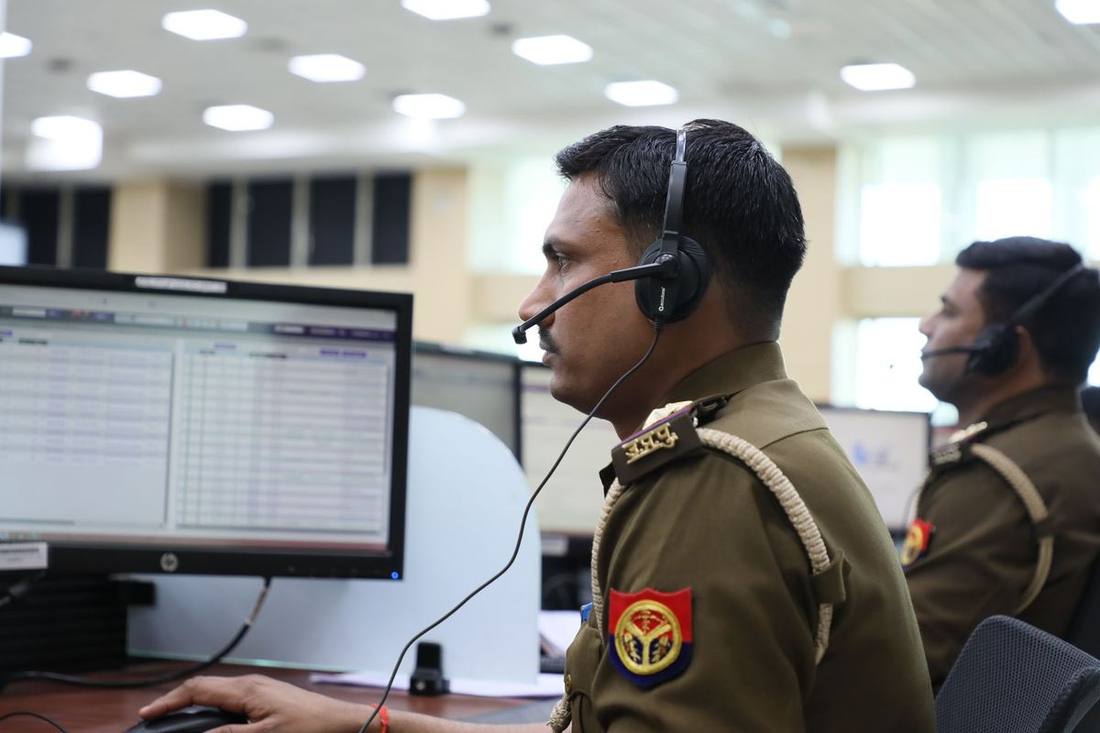
Passengers meet the chauffeur and the car; they never meet the dispatcher, whose work made the chauffeur and the car appear at the right curb at the right minute with the right seats installed. Dispatch is the operator's nervous system — the roster that commits the fleet, the tracking that adjusts it, the map that shows where everything is, the phone and the texts that connect it to passengers and chauffeurs, and the log that remembers it — and its quality is most of the difference between an operator that works at 4 a.m. and one that does not. This article describes a dispatch shift from the inside: the evening roster build and the confirmation texts, the overnight shift, the morning bank and the tracking screens, the fleet map and the reassignments, the route and 407 decisions, the same-day requests, the storm day's plan, the log and what it is for, the tools and the people, and a worked shift from 5 a.m. to 5 p.m.
The evening before: building the roster
By 6 p.m. the next day's bookings are in the system — from the engine, from the phone, from the corporate accounts' emails, from the standing orders that repeat — and the dispatcher builds the roster: each booking assigned to a chauffeur and a vehicle, in sequence, with the positioning time between drops and pickups, the child seats to be installed at the yard, the languages matched, the 407 policies noted, the standing orders' regular chauffeurs kept. The overnight departures go to the overnight roster; the morning arrivals bank to the early shift; the afternoon bank and the evening's hourly bookings to the day and evening shifts. By 8 p.m. every passenger has a text — the chauffeur's first name, mobile, the vehicle's make, colour and plate, the pickup time or the door — and every chauffeur has their day. The how early to book article explains why a booking made before the roster is built has a better chance than one made after.
The overnight shift
From 10 p.m. to 6 a.m. one dispatcher holds the desk: the late arrivals tracked to touchdown, the 4 a.m. departures confirmed by the chauffeurs' texts from driveways, the overnight construction closures read from the provincial and city feeds and routes adjusted, the occasional same-day request from a hotel's night manager, the rare emergency. The red-eye article describes the shift from the chauffeur's side; from the desk it is quiet, watchful, and the reason a passenger at Door A at 1 a.m. reaches a person on the first ring.
The morning: the tracking screens
From 5 a.m. the desk fills: the transatlantic overnight arrivals landing between 6 and 9, the domestic morning bank, the departures the overnight shift began. The flight-tracking screen shows every flight on the day's bookings with its scheduled, estimated and actual times, and the dispatcher's job is the exceptions — an Air India flight two hours late (the chauffeur's start moved, the passenger texted), a WestJet flight diverted to Hamilton (the passenger texted with options), a cancelled flight (the car released, the passenger texted to confirm). The flight delays article describes what the passenger sees; the desk sees all of it at once.
The fleet map and the reassignments
The map shows every vehicle — position, chauffeur, current booking, next booking — and the dispatcher reads it the way an air traffic controller reads a radar screen. A chauffeur calls in ill at 5:30: three bookings reassigned from the map to chauffeurs with gaps, three passengers texted with the new name and plate. A car's warning light comes on at the yard: the chauffeur takes the spare, the plate on the passenger's text updated. A Pearson pickup's customs hall runs ninety minutes and the chauffeur's next booking is at risk: the next booking reassigned, the passenger texted. An hourly booking runs two hours over: the chauffeur's evening reshuffled. Every reassignment is a text to the passenger before the passenger could notice, which is the standard.
Routes, closures and the 407 calls
The desk reads the provincial and city road feeds all day — the 401's incidents, the Gardiner's closures, the DVP's floods, the QEW's collisions, the overnight construction — and pushes routing advice to chauffeurs about to leave: "401 closed at the 404, use the 407 for the Markham run," "Gardiner shut Jarvis to the DVP this weekend, Lake Shore for the Distillery." The 407 decision is the chauffeur's on the day within the passenger's approval, but the desk supplies the picture; the 407 article and the Gardiner and DVP closures article describe the roads and the construction season article the summer's pattern.
Same-day requests
The phone rings all day with requests for cars in an hour, and the dispatcher answers from the map: which chauffeur will be free and near, which class, how soon. The last-minute booking article describes what is realistic; from the desk it is a matching problem solved forty times a day, with an honest no when the map has no answer and a partner's number offered.
The storm day
When Environment Canada warns of a storm, the desk's plan changes the day before: every booking in the window reviewed and its passenger texted, the overnight roster moved earlier, the SUVs assigned to the runs that need them, an extra dispatcher rostered for the day, the airlines' cancellations watched from the afternoon before. On the day, the desk cancels cars for cancelled flights free, moves pickups an hour earlier, fields the stranded passengers' calls, and — the next morning — runs the winter's busiest roster. The winter storm article has the plan from the passenger's side.
The log
Every booking's record — the fields as booked, every change and who made it, every text to and from the passenger and the chauffeur with its time, the chauffeur's arrival time at the curb, the departure, the route, the drop time, the waiting, the 407 if used, the receipt — is the log, and it is what answers every question afterwards: a passenger who says the car was late (the log shows the chauffeur's "outside" text at 5:53 for a 5:55 pickup, or shows it at 6:10), a company that queries a waiting charge (the log shows the customs hall's ninety minutes), a review that names a problem (the log shows what happened and the reply cites it). The reading reviews article and the corporate account billing article both rest on the log; the privacy article describes who can see it — dispatch and the passenger, and no one else.
The chauffeurs' side of the desk
Chauffeurs text the desk at each stage — "outside," "passenger aboard," "dropped" — and the desk texts them the reassignments, the route advice, the passenger's special requests as they come in ("passenger says the side door"). A chauffeur who is stuck (a closure, a passenger who is unwell, a car that fails) calls and the desk solves it; a chauffeur who has finished early is offered the next same-day request. The a day in the life article describes the relationship from the driver's seat.
The tools
A booking system that holds the engine, the roster, the accounts and the log; a flight-tracking feed; a fleet-tracking system on every vehicle; the provincial (Ontario 511) and city road feeds; the weather service's warnings; a texting platform that logs every message; a phone that rings on a desk, not in a pocket. The tools are ordinary; the discipline of watching all of them at once is the job.
The people
A dispatcher is usually a former chauffeur — someone who knows the roads, the airports' doors, the hotels' porte-cochères and the hour's traffic from having driven them — and the good ones have the controller's temperament: calm when three things go wrong at once, precise in a text, honest on the phone. The desk runs three shifts and an extra pair of hands on peak and storm days, and the becoming a chauffeur article notes that dispatch is where experienced chauffeurs go when they stop driving.
What the desk cannot do
It cannot make a car appear where none is free; it says so and offers the earliest time or a partner. It cannot speed a customs hall or open a closed highway; it tracks and reroutes. It cannot decide a no-show without the log's evidence; it reviews it. It cannot guarantee a specific chauffeur when the roster does not allow; it substitutes and says so in advance. It does not promise what it cannot deliver, which is the whole of its credibility.
A worked shift: 5 a.m. to 5 p.m., a Thursday in October
5:00: the overnight dispatcher hands over — twelve departures done, two late arrivals still tracked. 5:30: a chauffeur ill; three bookings reassigned, three texts. 6:10: Lufthansa from Frankfurt tracking forty minutes late; the chauffeur's start moved. 7:15: the Gardiner closed eastbound at Spadina for a collision; three downtown-bound Pearson pickups advised to the Lake Shore. 8:00: the corporate accounts' emails — six new bookings for next week, two changes for today. 9:30: a same-day request for a Sprinter at noon; the map shows one free; assigned. 10:45: a passenger at Terminal 1's baggage desk with a lost bag; the chauffeur told to hold; the log notes the time. 11:30: an hourly booking on Bay Street extended two hours by text; the chauffeur's 2 p.m. pickup reassigned. 1:00: the afternoon bank begins; fourteen arrivals on the screen. 2:20: a flight diverted to Hamilton; the passenger texted options; chooses to wait. 3:45: the evening's roster being built for tomorrow; the 407 flagged on eleven Markham and Durham bookings. 4:30: a hotel concierge with a guest for Niagara tomorrow at 9; booked. 5:00: hand over to the evening shift; the log has 212 entries since midnight.
Dispatch quick reference
| Function | When | What the passenger sees |
|---|---|---|
| Roster build | Evening before, by 8 p.m. | Text with chauffeur's name, mobile, plate, time or door |
| Flight tracking | Continuous | Pickup moves with the flight; texts on cancellations/diversions |
| Fleet map and reassignment | Continuous | A text with a new name and plate, before you noticed |
| Route and 407 advice | Continuous, from road feeds | A chauffeur who took the right road |
| Same-day requests | All day | A yes with a time, or an honest no |
| Storm plan | Day before and day of | Texts with options; free cancellations; earlier pickups |
| The log | Every booking | The answer to any question afterwards |
| Staffing | Three shifts, extra on peaks/storms | A person on the first ring at any hour |
Reaching the desk
The number is on the contact page and on every confirmation; it is answered by a person at any hour. The engine feeds the roster directly, and the FAQ has the short answers to what the desk is asked most.
Booking notes from the desk
Two small things dispatchers would ask of every passenger. Text rather than call for the routine — a flight number, a changed time, "bags in hand" — because a text is logged and a call is remembered; and answer the chauffeur's text from the curb, because the one thing the map cannot show is whether the passenger has seen it.






