Healthcare executive transport, in one paragraph
Healthcare executive transport in Toronto serves the hospitals' leadership, visiting surgeons and specialists, grand-rounds and conference speakers, the research corridor's scientists, the pharmaceutical and device companies' advisory boards, and the foundations' donors — between Pearson, the hotels (the Chelsea, the DoubleTree and the Delta near Hospital Row; the Yorkville and Financial District hotels), Hospital Row on University Avenue (Toronto General, Mount Sinai, Princess Margaret, SickKids, Women's College), the campuses (Sunnybrook, St. Michael's, Toronto Western, the Scarborough Health Network, Trillium, Mackenzie Health, McMaster), and the MaRS Discovery District — on corporate accounts that keep the executive travel separate from the patient transport the medical appointments article covers. A visiting surgeon from Pearson to an operating room is met with meet and greet and driven by a chauffeur who knows the hospital's physicians' entrance; a conference speaker's day is an hourly booking; an advisory board's members are a block on the sponsor's account.
Toronto's health sector is one of the largest in North America — the University Health Network alone employs twenty thousand people across four hospitals, SickKids draws children from around the world, Sunnybrook is the province's trauma centre, the research corridor along University Avenue and College Street hosts MaRS and a dozen institutes — and it moves people constantly: a surgeon flying in from Boston to operate at Toronto General on Tuesday, a hospital's CEO to a board meeting in Ottawa, a Nobel laureate to give grand rounds at Sinai, a device company's advisory board of twelve physicians at a Yorkville hotel, a foundation's gala at the Royal York. The transport is corporate transport with a hospital's rules — the physicians' entrances, the security, the schedule that a surgery sets — and it must be kept separate, on the account and in the chauffeur's mind, from the patient transport the same hospitals generate. This article covers Hospital Row and the campuses from the executive's side, the visiting surgeon, the speaker and the conference, the advisory board, the foundations and the galas, the research corridor, the hospitals' own executives, the account structure, the discretion, and a worked week.
Hospital Row from the executive's side
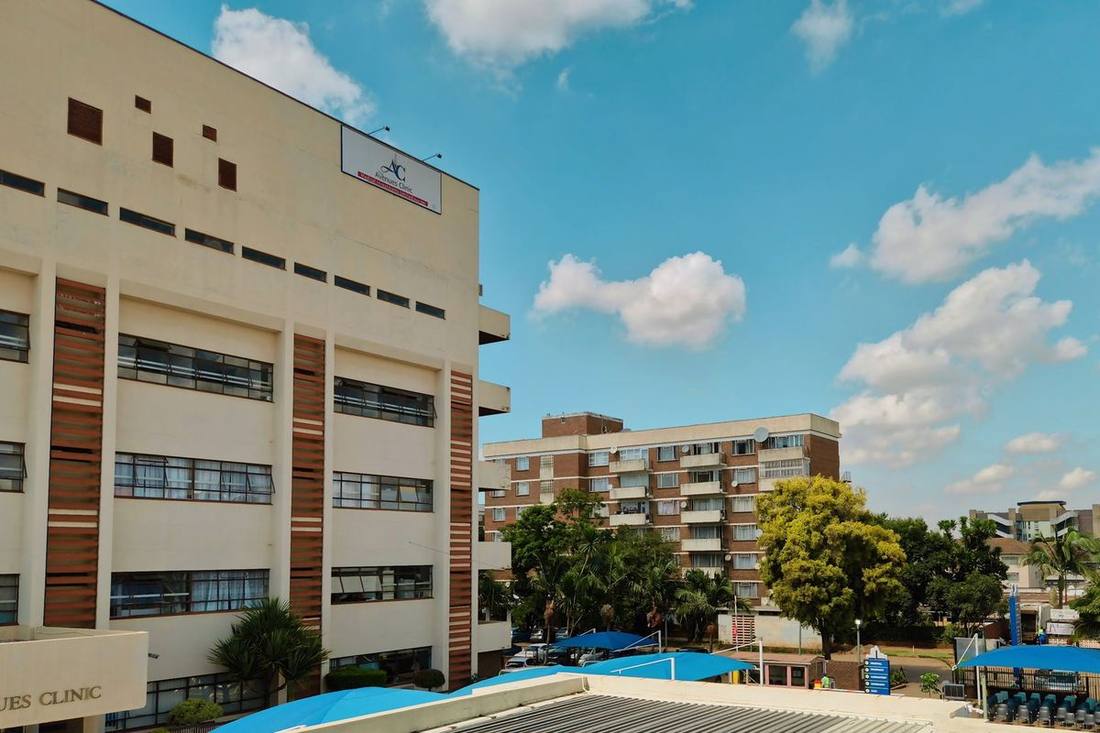
University Avenue between Queen and College is Hospital Row — Toronto General (the University Health Network's flagship, with the Peter Munk Cardiac Centre), Mount Sinai, Princess Margaret Cancer Centre, SickKids and, a block east, Women's College — and each has a physicians' or staff entrance separate from the patients' main door: Toronto General's on Elizabeth Street and Gerrard, Sinai's on Murray Street, Princess Margaret's on Murray, SickKids' on Elizabeth. A visiting surgeon is dropped at the physicians' entrance the hospital names, not the main door; the hospital row article covers the avenue from both sides. St. Michael's on Queen at Victoria, Toronto Western on Bathurst, Sunnybrook on Bayview (with its research institute and the Odette Centre), the Scarborough and Trillium networks, Mackenzie Health, Lakeridge, Southlake and McMaster in Hamilton are the campuses; the neighbourhood and city guides cover their entrances.
The visiting surgeon
A surgeon flying in to operate — from Boston, Cleveland, London, Seoul — is met at Pearson with meet and greet and the hospital's or the sponsoring department's name on the board, driven to the hotel (often the Chelsea or the DoubleTree on Gerrard for Hospital Row, or a Yorkville hotel), and collected the next morning at 6 for the physicians' entrance and a 7:30 case; the chauffeur waits or returns for the day's end, and the surgery's schedule sets everything. The booking is on the hospital's or the department's account and the Pearson to downtown hotels article has the hotels' timings; a surgeon's 6 a.m. pickup is the red-eye article's overnight roster.
Grand rounds, conferences and the speaker's day
Visiting speakers for grand rounds, the medical congresses at the MTCC (the conference transportation article), the specialty societies' annual meetings and the research institutes' symposia have a speaker's day: the hotel, the lecture hall (the hospitals' auditoriums, the Medical Sciences Building at the University of Toronto, MaRS' auditorium, the convention centre), a lunch with the department, a lab tour, a dinner with the faculty, and the airport — an hourly booking with the department's coordinator's itinerary and the roadshow article's buffers; the University of Toronto article covers the campus's medical buildings.
Advisory boards and the industry's meetings
Pharmaceutical and device companies convene advisory boards of Toronto's and visiting physicians at the Yorkville and Financial District hotels — twelve to twenty specialists for a day, flown in and driven from the airport, the hotel and back — and the transport is a block on the sponsor's account with the group transfers article's arrival procedure and an hourly Sprinter or sedans for the day; the industry's compliance rules (the transfers of value reported under the innovative medicines code) mean the sponsor's coordinator wants every trip on one statement with the physician's name, and the corporate account billing article provides it.
Foundations, donors and the galas
The hospital foundations — SickKids', Princess Margaret's, Sunnybrook's, Toronto General and Western's, St. Michael's — raise hundreds of millions a year, and their donor relations run on cars: a major donor's tour of the new wing, a board member's airport pickup, the gala at the Royal York or the Carlu with a fleet of sedans and stretches for the honorees and the table sponsors; the event limo page and the corporate holiday party article cover the gala's two-stage plan, and the foundation's account carries it. The Fairmont Royal York article covers the ballroom's porte-cochère on a gala night.
The research corridor: MaRS, the institutes and the university
The MaRS Discovery District at College and University, the Princess Margaret Cancer Research Tower, the Toronto Medical Discovery Tower, the Donnelly Centre and the Medical Sciences Building on the University of Toronto's campus, the Lunenfeld-Tanenbaum at Sinai, the Krembil at Toronto Western, Sunnybrook's Research Institute — the corridor hosts visiting scientists, grant reviewers, industry partners and the biotech companies' executives, and their transport is the corporate pattern with the University of Toronto article's campus doors and MaRS' entrance on College Street. The tech companies article covers the biotech firms in the same corridor.
The hospitals' own executives
A hospital network's CEO and senior leadership travel like any large organisation's — to Queen's Park and the Ministry of Health, to Ottawa, to the other hospitals in the network, to the airport — on a corporate account with the network's cost centres and the board meeting and AGM article's pattern for the board's meetings; a network with campuses in Scarborough or Mississauga has the 407 on the account and the Scarborough and Mississauga guides' routes.
Keeping executive and patient transport separate
The same hospital generates two kinds of black car booking — the executive's and the patient's — and they must be kept separate: on the account (a department's executive travel on one code, a patient's family's booking on the family's card), in the vehicle (an executive's premium sedan is not the accessible van), and in the chauffeur's briefing (a visiting surgeon at the physicians' entrance, a patient at the clinic's door). The medical appointments article covers the patient's side and the seniors' guide the weekly orders; dispatch tags every hospital booking as one or the other.
Discretion in a hospital
A chauffeur at a hospital's physicians' entrance sees who arrives and who leaves, hears a case discussed in the back seat, and knows which donor visited which wing; the privacy and discretion article sets the standard, the hospitals' own privacy rules (PHIPA, Ontario's health information law) bind anyone in a position to overhear, and our chauffeurs who drive the hospital accounts are briefed on both. A surgeon's name on a board is the department's name instead if the department prefers.
The airport and the timing
Pearson to Hospital Row is 30 to 45 minutes off-peak and 55 to 90 at the peaks via the Gardiner and University Avenue; to Sunnybrook 30 to 40 and 50 to 80 via the 401 and Bayview; to McMaster 60 to 75 and 85 to 115 via the QEW and 403 (or the 407); Billy Bishop to Hospital Row 15 to 20. A surgeon's flight is tracked and the flight delays article explains what happens when a Boston flight is late for a Tuesday case; the Hamilton guide covers McMaster's medical city and the Pearson to the west article the run.
A worked week: a cardiac department
Monday: a visiting surgeon from Cleveland, Terminal 1, meet and greet with the department's name, the Chelsea Hotel; Tuesday 6 a.m. to Toronto General's Elizabeth Street physicians' entrance, collected at 6 p.m. Wednesday: the department's chief to Queen's Park and back on an hourly; a grand-rounds speaker from the Park Hyatt to the Medical Sciences Building at 7:30 and to Billy Bishop at 4. Thursday: a device company's advisory board — twelve physicians from Pearson to the Four Seasons over the afternoon, a Sprinter and three sedans, the sponsor's account. Friday: the foundation's donor tour — a sedan from Rosedale to the new wing's entrance and back. Saturday: the surgeon to Terminal 1 at 6 a.m. Three accounts, one week, and every booking tagged executive.
Healthcare executive transport quick reference
| Passenger | Pattern | Entrance / note |
|---|---|---|
| Visiting surgeon | Meet and greet at Pearson; hotel; 6 a.m. to the physicians' entrance; day's end | Elizabeth St (TGH), Murray St (Sinai, PMH), Elizabeth (SickKids) |
| Grand-rounds / conference speaker | Hourly day; lecture hall, lunch, lab, dinner, airport | Hospital auditoriums, MSB, MaRS, MTCC |
| Advisory board | Block on the sponsor's account; Sprinter + sedans | Yorkville / Financial District hotels; names on the statement |
| Foundation donor / gala | Sedan tours; gala fleet on the foundation's account | Royal York, the Carlu |
| Research corridor visitor | Corporate pattern | MaRS (College St), institutes, campus doors |
| Hospital executive | Corporate account; board pattern; 407 for the network's campuses | Queen's Park, Ottawa, the campuses |
| Patient transport | Separate — see the medical appointments article | Clinic's door; family's card |
| Pearson ↔ Hospital Row | 30–45 off-peak; 55–90 peak | Gardiner → University |
Opening a department's account
The corporate car service page opens the account with the department's cost codes; the hospital row article has University Avenue's entrances; the medical appointments article is the patient's side, kept separate.
Accessibility in the hospital accounts
A visiting specialist or a donor who uses a wheelchair is a passenger the accessible service article covers — the accessible van with notice, or a sedan with the chair in the trunk for a passenger who transfers — and the hospitals' physicians' entrances are step-free; dispatch flags the need from the account's profile.
Booking notes for hospital accounts
Three small things. Name the entrance — the physicians' door, not the main one — and the department. Tag the booking executive or patient so the vehicle and the briefing are right. And give the department coordinator's mobile; the surgeon's flight is tracked, but the coordinator is who dispatch texts when it is late.
The medical conferences' season
Toronto hosts dozens of medical and scientific congresses a year — the specialty societies at the MTCC, the research institutes' symposia at MaRS and the university, the international meetings that fill the Financial District's hotels for a week — and each brings visiting physicians by the hundred with the conference transportation article's arrival-day coordinator and hourly fleet; a hospital department hosting a congress books the speakers' cars on its account and the group transfers article covers the delegations that arrive together.
A worked example: a surgeon's Tuesday
4:50 a.m.: the chauffeur texts from the Chelsea Hotel's Gerrard Street porte-cochère; 5:00: the surgeon, coffee in hand; 5:12: Toronto General's Elizabeth Street physicians' entrance, the security desk's list has the name; 5:15: a text to the department coordinator, "Dr. — at the Elizabeth St entrance." 6:40 p.m.: the coordinator's text, "finishing, 20 minutes"; 7:05: the surgeon out, the same chauffeur, the hotel at 7:15; Wednesday 6 a.m., Terminal 1 for Cleveland. Three fares on the department's account, one code, and a case that started on time.
Booking notes, one more
Say who pays — the department, the sponsor, the foundation, the visiting physician's own institution — because a surgeon's Tuesday can be on any of four accounts, and the statement should show the right one.






