Diplomatic transport, in one paragraph
Toronto hosts more than a hundred consulates general and consulates — along University Avenue, Bloor Street, Bay Street and in the Financial District's and midtown's towers — and their transport needs are the consul general's official travel, visiting delegations (ministers, trade missions, parliamentary committees), national-day receptions and cultural events, and the airport with its diplomatic arrivals channel. The work runs on protocol (seating, precedence, the flag where a consulate's own vehicle is not used), security coordination with the consulate's security officer, Toronto Police, the RCMP where a protected person is involved and Global Affairs Canada's Office of Protocol, motorcade rules for a delegation of several vehicles, discretion, and vehicles the protocol specifies (black sedans and SUVs, tinted, with a lead and a follow where security requires). The same habits serve any high-profile visitor.
Toronto is Canada's commercial capital and the consulates are here because the trade is: the United States' consulate general on University Avenue, the United Kingdom's, France's, Germany's, Italy's, Japan's, China's, India's, Brazil's and ninety others, each with a consul general who represents their country to Ontario, a staff, a calendar of national days and cultural events, and a stream of visiting officials — a trade minister with a delegation of twenty, a parliamentary committee, a mayor's mission, a royal or a head of government once in a while. Their transport is a discipline with its own rules — where the principal sits, who enters the car first, how a motorcade is sequenced, when the flag flies, who coordinates with the police — and a black car operator who serves it has learned them. This article describes consular and diplomatic transport as we run it: the consulates and their locations, the consul general's travel, the visiting delegation and the motorcade, the security coordination and its agencies, the airport's diplomatic channel, the national-day receptions and the events, the protocol's seating and precedence, the vehicles, the discretion, and how the same habits apply to a CEO, a celebrity or a head of a global institution.
The consulates and where they are
The consulates cluster: the United States' consulate general at 360 University Avenue (a fortress with its own security perimeter and a drop-off the consulate's guards direct), the United Kingdom's at College Park, France's and Germany's along Bloor and Bay, Japan's on Bay at Bloor, China's on St. George Street, India's on Bloor West, Italy's on Beverley, Brazil's, Mexico's, South Korea's, Israel's, the Nordic countries' and dozens more in the towers of the Financial District, the Bay-Bloor corridor and midtown; the hospital row article covers University Avenue's institutions and the Yorkville guide the Bloor corridor. Each has a security officer who decides where a car may stop, and a chauffeur who serves the consulates knows each consulate's rules.
The consul general's travel
A consul general's official travel — to Queen's Park, to City Hall, to the universities, to the business community's events, to Ottawa for the embassy's meetings, to the airport — is often in the consulate's own official vehicle with its own driver, and a black car is booked when the official vehicle is committed, for a second principal, for the spouse's programme, or for the consul general's travel to the 905 and beyond; the booking is on the consulate's account with the corporate account billing article's statement and the consulate's administrative officer as the booker, and the vehicle is what the consulate's protocol specifies.
The visiting delegation and the motorcade
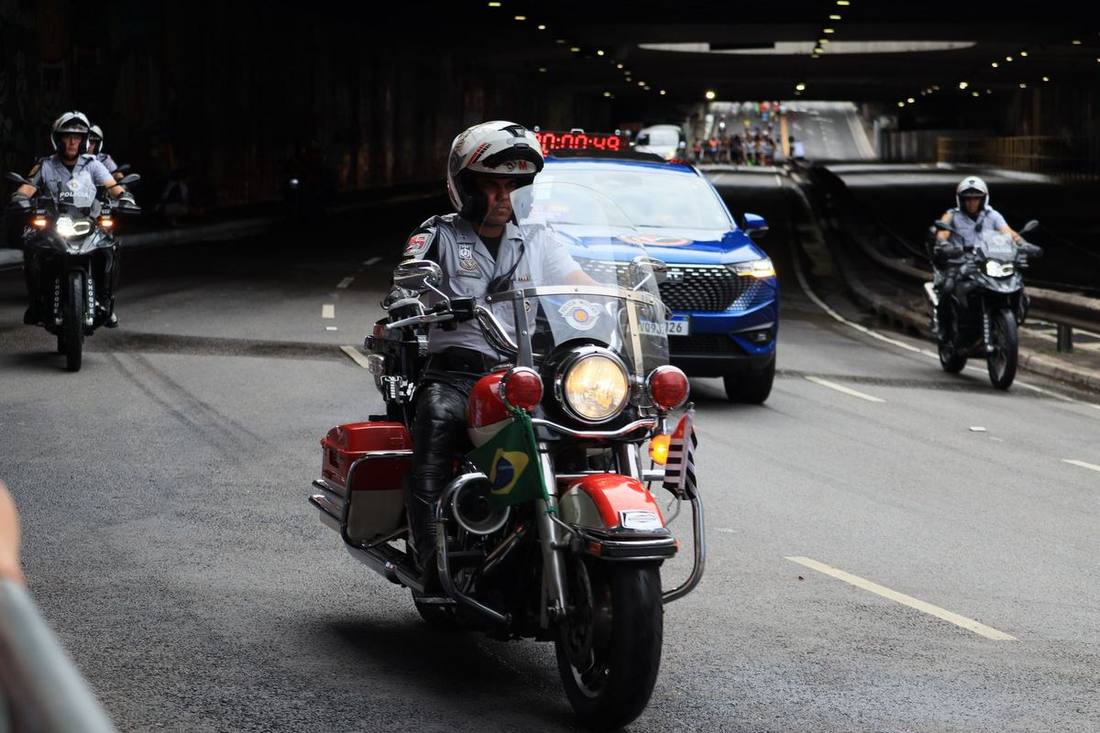
A visiting minister or a trade mission brings a delegation — the principal, the deputy, the officials, the press, the security detail — and its transport is a motorcade of several vehicles in a fixed sequence: a lead vehicle (police or the security detail's), the principal's vehicle, the deputy's, the officials' Sprinters, the press vehicle, a follow vehicle. The consulate's protocol officer and the security officer set the sequence; dispatch assigns the vehicles and chauffeurs and briefs them on the sequence, the route (agreed with the police), the arrival choreography at each stop (the principal's car at the door, the others behind, the doors opened in order), and the hold points; the chauffeurs drive the sequence at the lead's pace and do not overtake, stop or deviate. The group transfers article covers the officials' Sprinters and the roadshow article the buffer discipline that a delegation's day shares.
Security coordination
Depending on the visitor, security involves the consulate's own security officer (always), Toronto Police (for traffic and the route, and for any visitor who draws a crowd or a protest), the RCMP (for internationally protected persons — heads of state and government, foreign ministers and others the RCMP's Protective Operations designates), and Global Affairs Canada's Office of Protocol (for official visits, which it coordinates with the provinces). Dispatch works to the security officer's plan: the route is theirs, the timing is theirs, the vehicles' positions are theirs, and the chauffeurs follow the detail's instructions on the day. A chauffeur who drives protected persons has been vetted to the standard the detail requires, which is above the how chauffeurs are vetted article's baseline, and the passenger safety article covers the fleet's part.
The airport's diplomatic channel
Pearson has a diplomatic and VIP arrivals procedure — coordinated by the GTAA's protocol office with the CBSA and the consulate — under which arriving officials clear customs in a dedicated area and are escorted to a pickup point separate from the public arrivals road; the consulate arranges it and tells dispatch the pickup point and time, and the chauffeurs are positioned as the GTAA's staff direct. Visitors who arrive by government or private aircraft use the FBOs, and the private aviation page covers the planeside procedure. For a consul general's ordinary flight, the meet and greet procedure with the consulate's name on the board is the standard, at Door A.
National days, receptions and cultural events
Each consulate hosts its national day — a reception for several hundred at a hotel ballroom, the consul general's residence, a museum or a club — and its cultural calendar (a film festival's opening, a concert, a trade fair's inauguration), and the transport is the event limo page's: the consul general's and the guests of honour's cars at the venue's door, the visiting artists' or officials' cars from the hotel, and the corporate holiday party article's two-stage plan for the reception's end. The Royal York's, the King Edward's, the Four Seasons' and the ROM's event entrances are on the chauffeur's map, and the Royal Ontario Museum article covers the museum's.
Protocol: seating, precedence and the door
The principal sits in the rear right (behind the front passenger seat) in North American practice, and the chauffeur opens that door first; the second-ranking passenger sits rear left; an aide or the security officer sits in front. The principal enters last and exits first at an arrival with a receiving line, and the chauffeur's timing of the door is part of the choreography. A flag on the vehicle is the consulate's or the government's prerogative, flown on its official vehicle; a hired vehicle flies one only when the consulate provides and authorises it. The etiquette article covers the ordinary version of these habits; the protocol version is stricter and the chauffeurs who do it have learned it from the consulates' officers.
The vehicles
Black sedans (the S-Class, the 7 Series) and black SUVs (the Escalade, the Navigator), tinted to the legal limit, spotless, with the in-car amenities and without the operator's branding where the consulate prefers; Sprinters for the officials and the press; a limo bus for a large mission's staff. The fleet page shows the classes, and the security detail's requirements — a vehicle they have inspected, a chauffeur they have cleared — are met before the visit.
Discretion
A delegation's movements are, for some countries and some visits, sensitive to the point of secrecy — the route, the hotel, the meetings, the presence in the city at all — and the chauffeurs who drive them say nothing, carry nothing that identifies the passenger, and answer no questions from anyone but the detail; the privacy and discretion article sets the standard and the consulates hold us to a higher one. Confidentiality undertakings are signed where required.
The same habits for any high-profile visitor
The protocol trade's habits — the sequence, the door, the seating, the security coordination, the discretion — serve any high-profile passenger: a global CEO with a security detail, a head of an international institution, a celebrity at TIFF (the TIFF guide), a royal on a private visit, a religious leader, an athlete with a following. Dispatch applies the diplomatic pattern to any booking whose security officer asks for it, and the board meeting and AGM article describes the corporate version for a contested AGM.
A worked visit: a trade minister's day
The consulate's protocol officer's schedule, a week ahead: arrival by government aircraft at Skyservice at 8 a.m.; a meeting at Queen's Park at 9:30; a business roundtable at a Bay Street tower at 11; a lunch at the Royal York; a plant visit in Mississauga at 2:30; a reception at the consul general's residence at 6; departure from Skyservice at 9 p.m. The motorcade: a Toronto Police lead, the minister's Escalade, the deputy's S-Class, two Sprinters for eleven officials, a press sedan, the detail's follow SUV. The routes agreed with the police the day before; the 407 for the Mississauga leg's return at the peak. Six chauffeurs cleared by the detail, briefed on the sequence and the doors, driving at the lead's pace; the minister's door opened at each stop by the same chauffeur; the residence's driveway choreographed with the consulate's staff; the aircraft's stairs at 8:55 p.m. One account, one code, and a protocol officer who thanked the chauffeurs by name.
Diplomatic transport quick reference
| Element | Standard |
|---|---|
| Consulates | 100+, along University, Bloor, Bay and in the towers; each with its own security rules |
| Consul general's travel | Official vehicle first; black car for overflow, second principals, spouse's programme, the 905 |
| Delegation / motorcade | Lead, principal, deputy, officials' Sprinters, press, follow; sequence set by protocol and security |
| Security | Consulate's officer; Toronto Police; RCMP for protected persons; GAC Office of Protocol for official visits |
| Airport | Diplomatic/VIP channel via the GTAA's protocol office; FBOs for government aircraft; meet and greet for ordinary flights |
| Events | National days and receptions; venue entrances; two-stage departure plan |
| Protocol | Principal rear right, enters last, exits first; door timing; flags only when the consulate authorises |
| Vehicles | S-Class / 7 Series / Escalade / Navigator, tinted, unbranded on request; Sprinters and a bus for staff |
| Discretion | Nothing said; undertakings signed; chauffeurs cleared by the detail |
Arranging consular transport
The corporate car service page opens the consulate's account; the protocol officer's schedule to dispatch does the rest, with the security officer's plan; the privacy and discretion article and the private aviation page cover the standards that apply.
The consulate's administrative officer and the account
Consulates book through an administrative officer who manages the consulate's vendors, and the account is set up to the consulate's requirements: invoicing to the consulate's address in Canadian dollars, a statement that separates official travel from the consul general's personal use where the consulate's rules require it, the protocol officer and the administrative officer as bookers, and a vendor file with our insurance certificate, the chauffeurs' vetting summary and the company's registration for the consulate's records. Some consulates require a vendor agreement in their own form; we sign it. Some governments pay on net-60 terms; the account accommodates it. The corporate car service page opens the account and the administrative officer's first call sets the rest.
Language and cultural preparation
A consulate's visitors may not speak English, and the chauffeurs assigned to a delegation are chosen for the languages they speak where the fleet allows — Mandarin, Cantonese, Spanish, Portuguese, Arabic, Hindi, Punjabi, Urdu, Italian, French, Korean and Japanese are on the roster — and briefed on the delegation's customs: who may not be seated beside whom, whether the principal's spouse rides separately, whether refreshments in the car are appropriate during a fast, whether a handshake is offered. The consulate's protocol officer tells dispatch what the chauffeurs need to know and the chauffeurs follow it; the how chauffeurs are vetted article covers the roster and the in-car amenities article the refreshments that can be removed or changed for a visit.






